Leave Your Message

7 Best Soft Glasses Pouches for Global Buyers?

Choosing the right Soft Glasses Pouch can protect eyewear, reduce returns, and improve a product’s everyday value. Global buyers often compare more than appearance. Material softness, stitching quality, closure strength, inner lining, and packaging consistency all influence purchasing decisions.

This guide reviews seven practical pouch options for different markets and product needs. Some designs use microfiber to reduce surface marks. Others combine cotton, velvet, neoprene, or recycled fabrics for different levels of cushioning. Useful details include pouch dimensions, drawstring performance, zipper smoothness, print durability, and resistance to dust during shipping. These points matter when sunglasses, reading glasses, or optical frames travel through warehouses and long-distance delivery networks.

No pouch is perfect.

A thin pouch may lower costs but provide limited impact protection. A heavily padded design may protect frames better, yet increase shipping volume. Product photographs can also hide uneven seams or weak cord ends. That is why reliable evaluation should include sample checks, repeated opening tests, fabric inspection, and clear supplier communication. Buyers should confirm measurements with real eyewear, not assumptions.

The following selection focuses on practical performance, visual appeal, customization potential, and sourcing reliability. It considers the needs of distributors, retailers, optical brands, promotional suppliers, and private-label businesses. Supplier experience remains important, but it should not replace evidence. Ask for material details, production samples, quality-control procedures, and realistic lead times. Small differences can become costly at scale. That part deserves more attention.
7 Best Soft Glasses Pouches for Global Buyers?

What Are Soft Glasses Pouches and Who Needs Them?

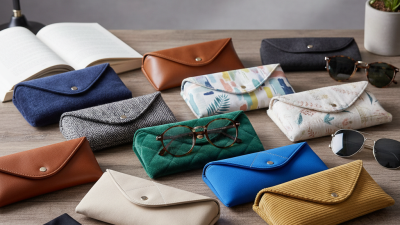
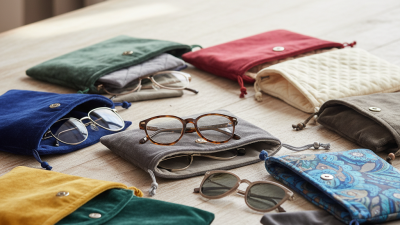
Soft glasses pouches are flexible protective sleeves designed to store and carry eyeglasses, sunglasses, and reading glasses. They are commonly made from microfiber, cotton, polyester, or blended fabric. Many include a drawstring, zipper, snap button, or magnetic closure. Their soft lining helps reduce dust, fingerprints, and light surface scratches during daily use.

Who needs them? Students, office workers, travelers, optical retailers, and families often use these pouches. They fit easily into handbags, backpacks, pockets, and shipping cartons. Retailers may choose them for packaging because they add practical value without taking much storage space. Photographers, drivers, and outdoor users may also prefer pouches for quick access. However, a soft pouch cannot provide the crush resistance of a rigid case. That distinction matters.

For global buyers, checking construction details is more useful than judging appearance alone. Inspect the stitching, lining density, closure strength, odor, and fabric color consistency. A pouch that feels attractive may still fail after repeated opening. Ask for sample testing before ordering larger quantities. Test whether the pouch fits common frame sizes without forcing the seams. Packaging dimensions and moisture protection also deserve attention during transport.

In my experience, buyers sometimes focus too heavily on low unit prices. That can create weak closures, uneven printing, or disappointing returns. A better choice balances material quality, usable design, order consistency, and realistic customer needs. Some preferences remain uncertain, especially across different markets.
Key Materials, Designs, and Protection Features to Compare

7 Best Soft Glasses Pouches for Global Buyers?

Material choice affects comfort, durability, and shipping performance. Microfiber pouches feel smooth and help reduce lens smudges. Neoprene offers cushioning against light bumps and folds easily. Cotton canvas provides a natural texture and strong stitching potential. Faux leather looks polished, but its surface may crack in dry storage. Leather feels premium, though it needs better moisture control. Recycled polyester dries quickly and supports consistent mass production. Quilted fabric adds softness, but thick padding increases parcel volume.

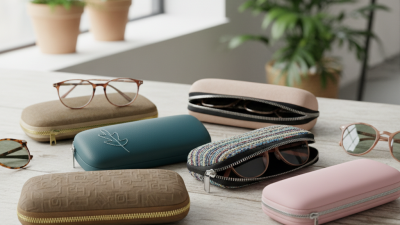
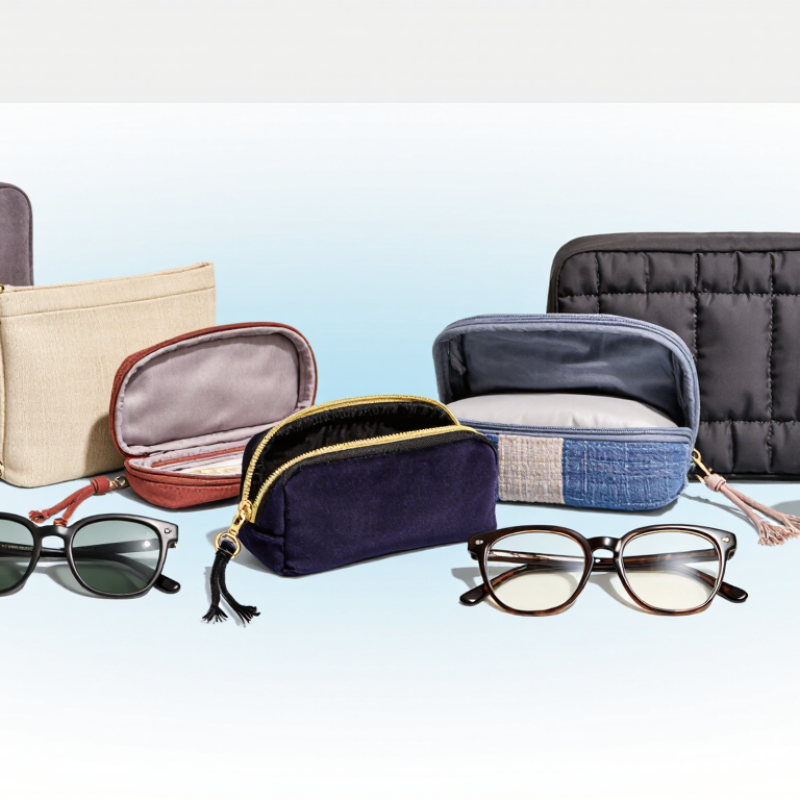
Design details deserve equal attention. A drawstring pouch opens quickly and suits casual daily use. A zipper closure offers stronger security during travel. A snap button looks simple, yet it may press against larger frames. A lined interior can prevent rough seams from touching lenses. Flat construction saves space in cartons. Gussets create room for oversized frames. Reinforced corners help protect hinge areas. Check the closure after repeated opening tests.

During sample checks, rub the inside fabric against a spare lens cloth. Loose fibers can become annoying. Press the pouch inside a packed carton. Thin materials may collapse under pressure. One test may expose weak stitching. That is useful, not embarrassing. Ask suppliers for fabric weight, seam methods, coating details, and care instructions. Color consistency also matters across production batches. A pale interior reveals dust more easily. A dark interior hides it, but may show lint. No pouch protects glasses from every impact. A soft case still needs careful handling.

How to Evaluate the 7 Best Soft Glasses Pouches

7 Best Soft Glasses Pouches for Global Buyers?

How to Evaluate the 7 Best Soft Glasses Pouches

Global buyers should score each pouch against seven practical factors: protection, fabric quality, closure strength, fit, cleaning, sustainability, and supply consistency. The global eyewear market reached about USD 138.7 billion in 2023, according to Grand View Research’s Eyewear Market Size Report. That scale increases demand for dependable accessories, not attractive packaging alone.

Start with a drop and abrasion check. Place sample glasses inside, add a cleaning cloth, and test the pouch from desk height. Dense microfiber or padded textile should reduce lens contact and surface scratches. Inspect the inner seams carefully. Loose threads are small warnings. The drawstring or zipper should survive repeated opening, ideally through 500 cycles. Measure the pouch after washing, because shrinkage can make a good sample unusable.

Material claims need evidence. Request recycled-content certificates, fabric composition, colorfastness results, and factory inspection records. UNEP’s Turning off the Tap report says plastic pollution could fall by 80% by 2040 with stronger reuse and recycling systems. A soft pouch can support that direction, but only if it remains durable. Ask for production tolerances, carton dimensions, and pre-shipment samples. I would also compare seven units after one month of use. This step is often skipped, and it should not be. A low unit price may hide weak stitching, inconsistent sizing, or costly replacement shipments.

7 Best Soft Glasses Pouches for Global Buyers

How to Evaluate the 7 Best Soft Glasses Pouches

The comparison uses a normalized 0–10 evaluation scale based on impact protection, scratch resistance, portability, moisture resistance, cleaning convenience, and sustainability. Higher scores indicate stronger overall suitability for international buyers seeking a practical soft glasses pouch.

Buying Considerations for Global Buyers

For global buyers, the seven best soft glasses pouches are not chosen by appearance alone. Microfiber, velvet, neoprene, cotton canvas, recycled polyester, felt, and padded fabric each suit different needs. Microfiber reduces surface scratches, while neoprene offers better shock resistance. Cotton canvas feels natural but may need a lining. Check the pouch’s internal width, depth, seam strength, and closure type. A tight drawstring can protect glasses, but it may press against delicate frames.

Buying decisions also depend on international production details. Ask for the exact material composition, fabric weight, color standard, and packaging method. Request a physical sample before confirming a large order. Photos can hide thin fabric and uneven stitching. I have seen attractive samples fail because the lining shed fibers onto lenses. That mistake costs more than the pouch itself. Confirm carton dimensions, unit weight, minimum order quantity, and lead time. Clear specifications reduce misunderstandings across languages and time zones. Supplier experience matters, but written evidence matters more.

Tips: Test the pouch with your largest frame. Rub the lining against a clean lens cloth. Inspect ten random pieces from a sample batch. Ask whether colors may vary between production lots. Consider humidity during sea transport, especially for natural fabrics. A low price can be useful, but not when it creates returns, weak packaging, or inconsistent quality. Recheck your assumptions before ordering.

Care, Customization, and International Shipping Tips

7 Best Soft Glasses Pouches for Global Buyers?

Seven soft pouch formats deserve practical testing. They include microfiber drawstring, padded zip, EVA-lined fabric, recycled felt, neoprene, foldable travel, and washable leather-free designs. Use microfiber daily. Choose padding for rough transit. Neoprene resists splashes, but it can trap moisture. That flaw matters.

DHL’s 2024 E-Commerce Trends Report found that 59% of shoppers buy from foreign retailers. Customization should support care, not merely decoration. McKinsey’s 2023 packaging research found that 60–70% of consumers would pay more for sustainable packaging. Offer recycled fibers, water-based inks, and size options, then verify supplier claims. Request colorfastness and seam-strength samples. Small logos age better.

Shipping changes the buying decision. Pitney Bowes’ Parcel Shipping Index recorded 161.1 billion parcels worldwide in 2022. That scale rewards compact, protective packing. Measure the pouch after packing, not before. List fiber content and country of origin accurately. Add a reusable outer carton and moisture barrier. Keep it dry. Do not promise universal delivery times; customs and weather still interfere. I would also test ten units before a large order. One sample can hide uneven stitching. Realistic care labels matter.

7 Best Soft Glasses Pouches for Global Buyers? - Care, Customization, and International Shipping Tips
No. Pouch Style Typical Size Common Material Care and Protection Customization Options International Shipping Notes
1 Microfiber Drawstring Pouch Approx. 18 × 9 cm
7.1 × 3.5 in
Polyester or polyamide microfiber; soft brushed interior Lightweight protection against dust and minor scratches. Hand-wash with mild detergent and air-dry. Screen printing, heat transfer, woven label, cord color, and custom size. Very low shipping weight and compact packing. Protect bulk cartons from moisture during ocean or air transit.
2 Velvet Snap-Closure Pouch Approx. 18 × 8.5 cm
7.1 × 3.3 in
Polyester velvet with a metal or plastic snap button Good for reducing surface abrasion. Keep dry; spot-clean the fabric and avoid soaking metal hardware. Embroidery, foil stamping on a label, custom lining, snap color, and hangtag. Hardware may add weight and require careful carton packing. Confirm corrosion-resistant snaps for humid routes.
3 Neoprene Sleeve Pouch Approx. 19 × 9 cm
7.5 × 3.5 in
Neoprene or synthetic rubber blend with stretch construction Provides cushioning against minor impacts and moisture splashes. Rinse gently and dry fully before storage. Sublimation print, rubber patch, zipper color, thickness, and edge binding. Elastic material can be compressed for packing, but cartons should not be overfilled to prevent permanent deformation.
4 Quilted Cotton Pouch Approx. 18 × 9 cm
7.1 × 3.5 in
Cotton or cotton-blend outer fabric with polyester padding Offers soft cushioning for everyday storage. Machine-wash only when approved by the care label; reshape while drying. Printed fabric, embroidery, piping, zipper, recycled filling, and sewn-in care label. Higher packed volume than flat microfiber styles. Ask for folded dimensions and carton cubic volume before freight quotation.
5 Felt Fold-Over Pouch Approx. 17 × 8 cm
6.7 × 3.1 in
Polyester felt, recycled felt, or wool-blend felt Suitable for scratch prevention and simple organization. Brush off debris and spot-clean; avoid high heat. Laser cutting, debossed patch, stitched logo label, flap shape, and color matching. Flat-fold design helps reduce dimensional weight. Keep compressed stock dry and use moisture-resistant inner bags.
6 Soft PU Zipper Case Approx. 18.5 × 8.5 × 2.5 cm
7.3 × 3.3 × 1.0 in
Polyurethane-coated textile or soft synthetic leather with fabric lining Better resistance to light splashes than untreated fabric. Wipe with a damp cloth; do not use solvents. Embossing, debossing, printed panels, zipper pull, lining color, and edge paint. Zipper and coated surfaces should be protected from scratches. Request packaging that separates metal pulls from the outer surface.
7 Recycled RPET Pouch Approx. 18 × 9 cm
7.1 × 3.5 in
Recycled polyester fabric, often made from post-consumer PET material Durable and easy to maintain. Wash gently at low temperature and avoid chlorine bleach or high-heat drying. Water-based printing, recycled-content label, woven label, zipper or drawstring, and custom packaging. Lightweight and suitable for consolidated freight. Request recycled-content documentation and packaging material details for import records.
Buyer checklist: Confirm finished dimensions, internal usable space, fabric composition, colorfastness, logo artwork requirements, carton size, gross weight, country-of-origin marking, and applicable import documentation before placing an international order. Actual dimensions, materials, minimum order quantities, production times, and freight costs vary by specification and destination.