Leave Your Message

7 Best Soft Glasses Pouch Suppliers for Global Buyers?

Choosing the right Soft Glasses Pouch supplier is more complex than comparing prices and color cards. Global eyewear demand is expanding, while buyers increasingly expect protection, presentation, and responsible materials. Grand View Research valued the global eyewear market at approximately USD 115.52 billion in 2023, with continued growth projected through 2030. That expansion creates more demand for practical accessories, including fabric pouches for optical frames and sunglasses.

Small details matter. A reliable pouch should protect lenses from surface scratches, fit frames without pressure, and survive repeated handling. Buyers should inspect microfiber lining, seam strength, drawstring performance, zipper quality, logo accuracy, and packaging consistency. A sample may feel excellent, yet a larger shipment can reveal uneven stitching or color variation. That gap deserves attention.

Packaging specialist Walter Soroka wrote, “Packaging is the science, art, and technology of enclosing and protecting products.” His principle remains useful here. A Soft Glasses Pouch is not merely a promotional bag. It is a protective touchpoint between a brand and its customer. Smithers’ global packaging research also highlights ongoing demand for functional, value-added, and more sustainable packaging solutions. However, sustainability claims can be vague. Recycled fabric percentages, coating details, and factory certifications should be verified.

This guide reviews seven Soft Glasses Pouch suppliers for global buyers. It considers customization, minimum order quantities, production capability, quality controls, material choices, and export experience. The ranking is not absolute. Supplier suitability depends on your market, budget, order volume, and compliance needs. Good sourcing requires evidence, not attractive photographs.
7 Best Soft Glasses Pouch Suppliers for Global Buyers?

What Makes a Soft Glasses Pouch Supplier Reliable?

A reliable soft glasses pouch supplier proves quality through repeatable details, not attractive catalog photos. Experienced buyers should inspect fabric weight, lining softness, seam density, and closure strength. A pouch that feels smooth but sheds fibers can scratch lenses over time. Ask for material samples from different production batches. Small differences matter. Good suppliers explain their testing methods clearly. They should provide measurements, tolerance ranges, and care instructions before quotation.

Professional Suppliers Professional suppliers understand the full purchasing process. They confirm artwork dimensions, color references, packaging needs, and delivery terms in writing. Their sample should match the approved specification, including zipper movement or snap alignment. Request a pre-production sample when an order is large. It reduces expensive surprises. A supplier who reports delays early is safer than one promising impossible speed. Still, communication alone is not proof. Check factory experience, inspection records, and references from comparable buyers.

Trust grows when documentation matches physical performance. Ask for quality reports, social compliance records, and material traceability evidence where relevant. Suppliers should protect customer data and handle product claims responsibly. During evaluation, test a pouch through daily use: open it repeatedly, place glasses inside, and carry it in a bag. Real use reveals weak corners. Some suppliers may overlook minor stitching defects. That deserves discussion, not concealment. A dependable partner accepts feedback, corrects root causes, and keeps agreed records. Reliability is built in ordinary moments.
Materials, Designs, and Customization Options to Evaluate

When comparing soft glasses pouch suppliers, material selection should match the buyer’s real use case.

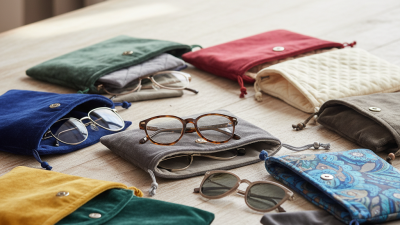
Microfiber offers a smooth surface that helps reduce lens scratches. Neoprene provides cushioning for travel and outdoor use. Recycled polyester can support sustainability goals, but its quality varies between mills. Ask suppliers for fabric weight, composition, colorfastness, and cleaning guidance. A soft pouch should feel flexible, not flimsy.

Design details affect daily convenience.

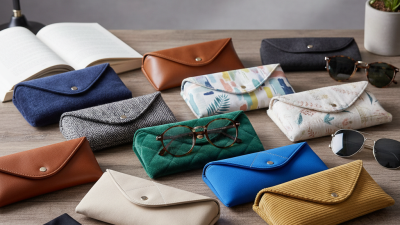
Zippered styles protect glasses more securely than open sleeves. Drawstring pouches are lighter and easier to produce. A padded interior helps prevent pressure marks inside a handbag or case. Check the stitching around corners, zipper ends, and cord openings. These areas often fail first. I would request a physical sample before approving bulk production. Photos can hide uneven seams.

Customization may include dimensions, lining color, woven labels, printed artwork, pullers, and individual packaging.

Provide the exact frame measurements, including oversized or curved designs. Confirm logo durability after rubbing and repeated cleaning. Suppliers should explain their sampling process, minimum order quantity, inspection steps, and production timeline. Ask for pre-shipment photos and measurement records. My own evaluation is not perfect; I once focused too heavily on appearance and overlooked a stiff zipper. That small detail made the pouch frustrating to use. A dependable supplier welcomes such criticism and adjusts the sample before production.

Seven Leading Soft Glasses Pouch Suppliers for Global Buyers

Seven leading soft glasses pouch suppliers for global buyers are best judged by capability, not appearance. A recycled-fabric specialist suits sustainability programs, while a microfiber converter offers smooth protection for coated lenses. A cotton-canvas manufacturer provides a tactile, premium feel. A neoprene producer adds shock resistance for active lifestyles. A custom-print OEM supports detailed logos and seasonal artwork. A low-MOQ workshop helps smaller buyers test demand. An export-integrated manufacturer can coordinate sampling, inspection, and international freight.

Market evidence supports careful sourcing. Grand View Research estimates the global eyewear market reached about USD 118.9 billion in 2023 and may grow at an 8.1% CAGR through 2030. More eyewear increases demand for practical protective accessories, but packaging quality still varies widely. The Sustainable Packaging Coalition reports that material choice, recyclability, and clear disposal information strongly influence responsible packaging decisions. A supplier should therefore provide fabric composition, dyeing details, stitching samples, and documented quality checks.

Ask for a 20-piece sample set. Test zipper movement, seam strength, lint transfer, and lens contact after repeated use. Small details matter. A pouch that looks soft may scratch lenses if its lining sheds fibers. Suppliers should also confirm carton dimensions, production tolerance, lead time, and third-party inspection options. Certification claims deserve verification, not polite assumptions. In practice, the cheapest quotation can become expensive after revisions, rejected samples, or inconsistent color matching. I would also request one imperfect sample, because real production often reveals weaknesses that polished prototypes hide.

7 Best Soft Glasses Pouch Suppliers for Global Buyers

Anonymized benchmark of common global sourcing criteria for soft glasses pouch suppliers, rated on a 10-point scale.

The benchmark evaluates customization, material options, quality consistency, order flexibility, export readiness, production responsiveness, and packaging capability.

MOQ, Pricing, Quality Control, and Certifications Compared

For a seven-supplier shortlist, compare MOQ, landed pricing, inspection records, and certifications together. Grand View Research valued the global eyewear market at about USD 118.7 billion in 2023. That demand supports more custom pouch production, but supplier capacity still varies widely.

A practical MOQ range is 500 to 3,000 pieces for standard microfiber or polyester pouches. Custom printing, woven labels, and unusual dimensions can push MOQs above 5,000. Indicative pricing often falls between USD 0.35 and USD 1.80 per pouch before freight. Fabric weight, lining, zipper type, and packaging explain much of the difference. Ask for a sample with a real pair of glasses inside. A beautiful empty pouch proves very little.

Quality control should include size tolerance, seam strength, color consistency, zipper cycling, and lint transfer. Request batch photos, inspection checklists, and a corrective-action record. ISO’s 2023 survey reported more than one million ISO 9001 certificates worldwide, yet certification alone does not guarantee careful production. Look for ISO 9001, ISO 14001, REACH, and RoHS documentation where applicable. Material test reports should identify the tested fabric and production batch. I would not treat a low quote as a victory. Hidden sampling fees, weak stitching, or delayed approvals can erase the saving. That assumption can fail.

Shipping, Compliance, and Supplier Selection Considerations

For global buyers, the seven best soft glasses pouch suppliers are not simply the cheapest factories. They should prove material consistency, export experience, and reliable documentation. The World Bank’s Logistics Performance Index 2023 assessed 139 economies and found major differences in customs, tracking, and delivery reliability. That gap can damage a small pouch order quickly. Ask each supplier for production photos, fabric specifications, carton dimensions, and recent inspection records. Confirm the Incoterm, port, transit route, and responsibility for import clearance. Keep it practical.

Compliance needs equal attention. Request declarations for fabric, dyes, coatings, metal parts, and recycled content. Check destination-market requirements, including chemical restrictions, labeling rules, and packaging obligations. The United Nations Environment Programme reports that global plastic pollution could rise substantially without stronger controls, so material claims deserve evidence. A supplier should provide batch records, test reports, and traceable invoices, not vague “eco” language. I have seen attractive samples fail because zippers scratched lenses or dye rubbed onto frames. Small errors spread. Independent pre-shipment inspection is useful, although it cannot replace supplier audits. Compare the seven candidates using defect rates, sample approval time, minimum order quantity, payment terms, and documented shipping performance. The best choice may cost more upfront; that judgment still needs numbers.

7 Best Soft Glasses Pouch Suppliers for Global Buyers? - Shipping, Compliance, and Supplier Selection Considerations

Indicative supplier profiles and market ranges for global sourcing. MOQ, pricing, lead time, and shipping terms should be confirmed through current quotations and factory audits.
Supplier Profile Typical Production Region Common Pouch Materials Typical MOQ Indicative Unit Cost* Customization Capability Typical Lead Time Shipping Considerations Compliance Documents to Request Best Fit for Buyers
Profile 01
High-volume microfiber specialist
East and South China manufacturing clusters Microfiber, polyester suede, cotton lining, polyester drawcord 1,000–5,000 pieces US$0.35–1.20 per piece Screen printing, heat transfer, woven labels, multiple colors, custom dimensions Sample: 7–12 days
Bulk: 20–35 days
Suitable for sea freight and consolidated shipments; confirm carton dimensions and Incoterms such as FOB or CIF. Material composition, REACH-related test reports, azo-dye testing, colorfastness report, factory quality records Retail programs, optical chains, and large promotional orders
Profile 02
Low-MOQ cotton and canvas workshop
South Asia and Southeast Asia Cotton twill, canvas, recycled cotton blends, cotton drawstrings 300–1,000 pieces US$0.60–1.80 per piece Small-batch dyeing, embroidery, sewn labels, custom packaging, simple shapes Sample: 10–18 days
Bulk: 25–45 days
Air courier is practical for samples; sea or rail options may reduce cost for replenishment orders. Fiber-content declaration, restricted-substance testing, colorfastness, social-compliance audit if required by the buyer Start-ups, independent optical stores, and limited-edition collections
Profile 03
Premium velvet and jewelry-style pouch producer
Eastern Europe and Mediterranean production areas Polyester velvet, satin, microfiber lining, cotton or polyester cord 500–2,000 pieces US$1.00–3.00 per piece Embroidery, foil stamping, branded lining, metal accessories, gift-box coordination Sample: 10–20 days
Bulk: 30–50 days
Regional road freight may offer shorter transit within Europe; verify VAT, customs, and delivery-duty responsibilities. Textile composition, REACH testing, nickel-release report for metal parts, packaging-material declaration Premium eyewear, fashion accessories, and gift-focused collections
Profile 04
Recycled-material and sustainability-focused supplier
Southeast Asia and selected European factories Recycled polyester, recycled cotton, post-consumer textile blends 1,000–3,000 pieces US$0.80–2.40 per piece Custom labels, recycled-content claims, natural-color options, low-plastic packaging Sample: 12–21 days
Bulk: 30–55 days
Ask whether recycled-content certificates apply to the finished fabric or only to the yarn; plan extra time for document review. Recycled-content certificate, chain-of-custody evidence, chemical test report, packaging recyclability statement Sustainability-led brands and buyers with environmental reporting requirements
Profile 05
Neoprene and protective soft-case manufacturer
China, Vietnam, and other Southeast Asian export hubs Neoprene, EVA foam, polyester jersey, elastic bands 1,000–5,000 pieces US$0.90–2.80 per piece Zipper, hook-and-loop closure, molded inserts, printed panels, shock-resistant construction Sample: 12–20 days
Bulk: 25–45 days
Foam products can create higher volumetric freight costs; compare packed volume, not only product weight. Material composition, formaldehyde and restricted-substance testing, zipper and accessory specifications, packaging declaration Sports eyewear, travel retail, and buyers seeking greater impact protection
Profile 06
European nearshore textile converter
Central and Western Europe Cotton, polyester, recycled fabrics, synthetic suede 500–2,500 pieces US$1.20–3.50 per piece Rapid prototyping, short production runs, local labeling, custom finishing Sample: 5–14 days
Bulk: 15–35 days
Shorter regional transit and easier replenishment; confirm origin rules and customs treatment for non-EU destinations. EU chemical-compliance test report, fiber declaration, social-compliance evidence, origin documentation European retailers, rapid-launch programs, and buyers prioritizing shorter supply chains
Profile 07
Private-label packaging integrator
Multi-country sourcing network across Asia Microfiber, cotton, velvet, PU, recycled polyester 500–3,000 pieces US$0.70–3.20 per piece Pouch, insert card, barcode label, retail sleeve, gift box, and fulfillment coordination Sample: 10–20 days
Bulk: 30–60 days
Can consolidate multiple components, but buyers should clarify whether freight is calculated by actual or dimensional weight. Full bill of materials, test reports for each material, packaging compliance, carton markings, commercial invoice and packing list International e-commerce, multi-SKU launches, and buyers needing one packaging coordinator

*Indicative unit-cost ranges are commonly associated with soft eyewear pouches in basic-to-premium constructions and may vary by material, order volume, decoration, packaging, destination, and delivery terms. Buyers should obtain pre-production samples, verify laboratory reports, and confirm the applicable import, labeling, chemical, and packaging requirements in the destination market.