Top 10 Glasses Accessories for Global Buyers
Buying eyewear accessories across borders requires more than comparing prices and product photos. Global buyers need reliable materials, consistent sizing, clear packaging details, and suppliers who communicate accurately. This guide explores the Top 10 Glasses Accessories that can improve product protection, customer convenience, and retail presentation.
The selection includes cases, cleaning cloths, lens sprays, cords, chains, repair kits, display stands, microfiber pouches, nose pads, and travel organizers. Each item serves a practical purpose. A hard case can protect frames during shipping and daily use. A soft pouch may reduce bulk for customers carrying glasses in small bags. Cleaning products need careful material checks, especially for coated lenses. Small details matter.
Experienced buyers should examine material quality, attachment strength, packaging durability, and customization options. They should also confirm product specifications with suppliers before placing large orders. A polished sample does not always represent consistent production. That remains a common risk. Product testing, clear purchase terms, and documented quality checks can reduce unpleasant surprises. Local labeling, import rules, and safety expectations may also differ between markets, so professional review is sensible.
This overview is practical, but it is not flawless. Trends change, and buyer priorities vary by region, climate, and customer habits. A useful accessory in a humid coastal market may perform differently in a dry inland area. The following recommendations offer a dependable starting point for comparison, while encouraging buyers to question assumptions and verify every important detail.
Glasses Accessories: Definition, Scope, and Global Market Role
Top 10 Glasses Accessories for Global Buyers
Glasses Accessories: Definition, Scope, and Global Market Role
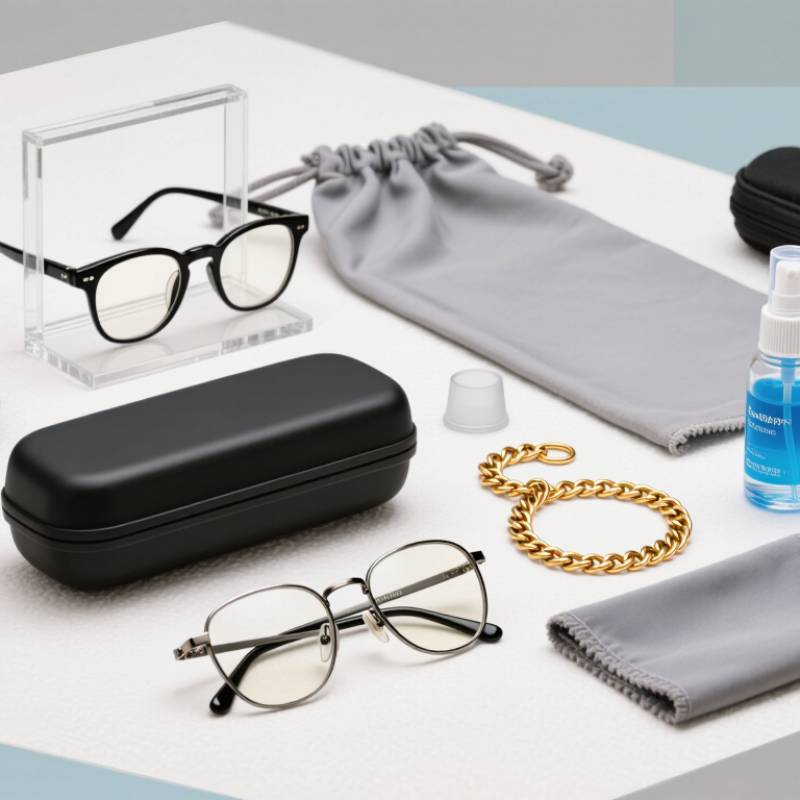
Glasses accessories are products that protect, maintain, adjust, display, or personalize eyewear. Their scope extends beyond simple add-ons. The top ten categories include hard cases, soft pouches, microfiber cloths, cleaning solutions, repair kits, straps, chains, nose pads, temple tips, and retail display stands. Each item supports a different stage of the eyewear journey. A hard case reduces lens scratches during transport. A cleaning cloth removes fingerprints without damaging coated surfaces. Small repair tools can help buyers manage loose screws or detached temples.
From my experience reviewing eyewear supply needs, accessory value depends on durability, material safety, packaging, and user habits. Global buyers also examine size compatibility, product labeling, and shipping efficiency. These details affect returns and customer trust. A poorly fitted nose pad can create discomfort. A strong strap may still fail if its connector is weak. Small details matter.
The market role is practical and commercial. Accessories extend product life, improve user comfort, and create additional sales opportunities for optical retailers and online sellers. They also support after-sales service. However, one assumption deserves reflection: more accessory choices do not always mean better value. Excess packaging can increase waste, while low-quality materials may damage lenses or skin. Reliable sourcing requires sample testing, clear specifications, and honest performance claims. Local consumer rules and import requirements must also be checked before distribution.
The Top Ten Glasses Accessories and Their Core Functions
Top 10 Glasses Accessories for Global Buyers
The Top Ten Glasses Accessories and Their Core Functions
Glasses accessories protect lenses, improve comfort, and reduce daily replacement costs. The World Health Organization reports that at least 2.2 billion people live with vision impairment. About 1 billion cases could have been prevented or addressed. This makes practical eyewear support more important than decoration.
A hard case protects frames inside bags. A microfiber cloth removes fingerprints without rough fibers. Lens cleaning spray loosens oil and dust. A repair kit handles loose screws and small adjustments. Replacement nose pads improve fit and reduce pressure marks. Temple tips help stabilize frames behind the ears. A neck cord prevents accidental drops during travel. An eyewear chain offers similar security, but it may catch on clothing. A portable glasses holder keeps eyewear visible on desks or car consoles. An anti-slip strap supports active users, although comfort depends heavily on material quality.
A 2024 Grand View Research report estimates continued growth in the global eyewear market, driven partly by changing lifestyles and daily optical use. Accessories should match that reality. Buyers often value compact packaging, washable materials, and broad frame compatibility. I would not overpromise universal fit. Some nose pads or screws simply fail to match every model. Testing should include heat, moisture, repeated bending, and transport vibration. Small details matter. A case that closes poorly is still a weak case.
How to Evaluate Quality, Compatibility, and User Safety
Top 10 Glasses Accessories for Global Buyers
When evaluating glasses accessories, quality starts with materials and consistent construction. Inspect hard cases, sleeves, straps, chains, cleaning cloths, sprays, wipes, nose pads, temple tips, and repair kits. Check stitching, hinges, sharp edges, and loose parts under bright light. A strong case should protect lenses without pressing their coatings. Microfiber cloths should feel smooth, not gritty. Small parts need secure attachment. Fit matters.
Compatibility requires more than matching product photos. Measure frame width, temple thickness, lens shape, and nose-pad spacing before ordering. Straps should fit securely without pulling the frame sideways. Cleaning liquids must suit the lens coating and frame material. Ask suppliers for material declarations, care instructions, batch records, and relevant safety testing. These documents improve trust, but they do not replace physical inspection.
User safety also depends on practical use. Avoid accessories with rough edges, strong odors, peeling surfaces, or unstable fasteners. Test a sample after repeated opening, washing, bending, and temperature changes. I have found that attractive accessories sometimes fail after ordinary handling. That mistake is easy to make. A small quality-control checklist can prevent larger returns. Still, checklists are imperfect; user feedback may reveal problems that laboratory samples miss. Suppliers should review complaints, update specifications, and keep replacement parts consistent across shipments.
Top 10 Glasses Accessories for Global Buyers
Weighted buyer-evaluation index based on compatibility, user safety, durability, and quality-control requirements.
Compatibility
Fit across common frame and lens types.
User Safety
Skin contact, optical safety, and secure use.
Quality
Material durability, construction, and reliability.
Buyer Note
Verify product specifications and applicable regulations before purchasing.
The index is a transparent procurement benchmark rather than a laboratory certification. UV-protection products should be verified for stated UV400 or applicable regional optical-safety requirements, while cleaning products should be confirmed as lens-surface safe.
Global Buyer Guide to Materials, Pricing, and Supplier Selection
Top 10 Glasses Accessories for Global Buyers
Global Buyer Guide to Materials, Pricing, and Supplier Selection
The ten most requested accessories include cases, pouches, microfiber cloths, cords, chains, nose pads, temple tips, repair kits, lens clips, and display stands. Material choice affects durability, comfort, and landed cost. EVA cases resist impact, while recycled polypropylene offers lighter packaging. Microfiber should feel smooth, not dusty or abrasive. Silicone nose pads need consistent softness and secure molding. Stainless steel chains require corrosion testing before shipment.
Pricing should include more than the factory quotation.
Compare unit cost, tooling, packaging, inspection, freight, duties, and payment terms. A low EXW price may become expensive after custom boxes and international transport. Request tiered prices at different quantities, but check minimum order quantities carefully. Samples should represent mass production, with color, stitching, dimensions, and logo placement recorded in a specification sheet.
Supplier selection needs evidence.
Ask for material declarations, test reports, production photos, lead-time records, and a clear defect policy. Confirm whether the supplier manufactures accessories or simply resells them. A factory audit can reveal poor storage, mixed materials, or weak quality controls. Do not rely on polished samples alone. In practice, small differences often appear between samples and full production. Independent inspection reduces that risk, although it adds time and cost. That trade-off deserves honest review. Suppliers should also explain packaging protection, replacement procedures, and communication during delays.
International Standards, Packaging, and Import Considerations
Top 10 Glasses Accessories for Global Buyers
International Standards, Packaging, and Import Considerations
Global buyers often source cases, pouches, microfiber cloths, cords, nose pads, temple tips, repair kits, display trays, cleaning sprays, and anti-fog wipes. Each accessory needs more than an attractive design. Frame-related products may require testing against relevant ISO standards, while cleaning liquids need separate safety documents. Confirm material composition, durability, and chemical restrictions before placing a large order. Small parts can also create choking concerns in some markets.
Packaging affects both compliance and customer experience. Use strong cartons, moisture barriers, and protective dividers for long-distance shipping. Product labels may need material details, country of origin, care instructions, warnings, and importer information. Keep text readable in the destination language. A low-cost package can become expensive after damage claims. Packaging tests are worth considering, although buyers sometimes overlook them during price negotiations.
Tips: Request samples from different production batches. Check stitching, hinge movement, odor, print accuracy, and barcode scanning. Ask for test reports, safety data sheets, commercial invoices, packing lists, and certificates of origin when applicable. Confirm the correct customs classification with a qualified broker. Do not assume one certificate covers every country. A perfect checklist is unlikely; regulations and retailer requirements can change. Recheck documents before shipment. Loose labels and incomplete paperwork remain common, preventable problems.