Essential Tips for Choosing the Best Lens Cleaning Kit?
Choosing the right Lens Cleaning Kit can be challenging. Many options flood the market, from sprays to wipes. It is essential to ensure that your kit is effective and safe for your equipment. A good Lens Cleaning Kit will protect your lenses from scratches and smudges.
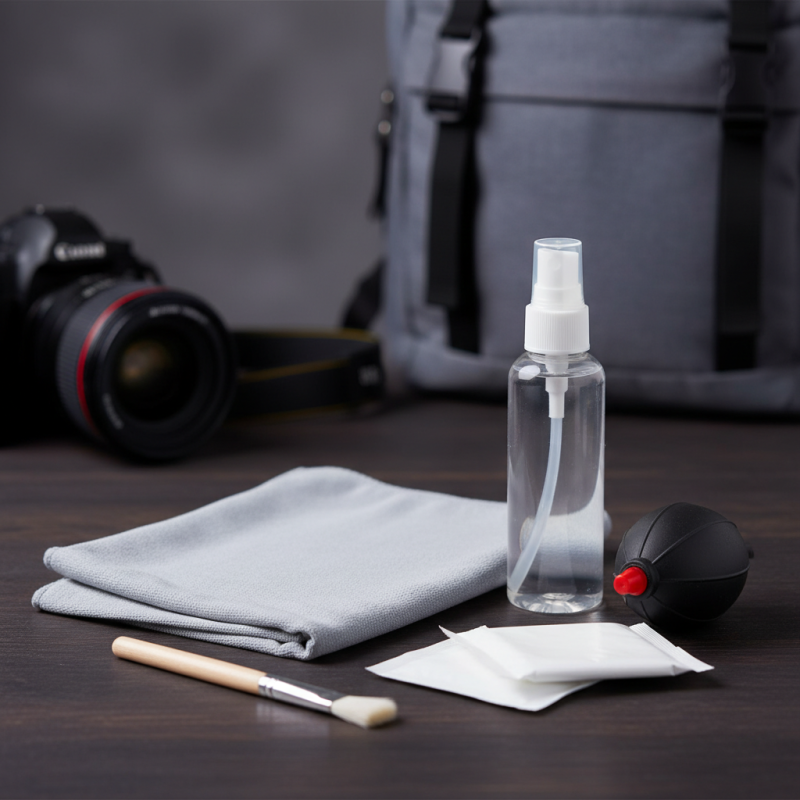
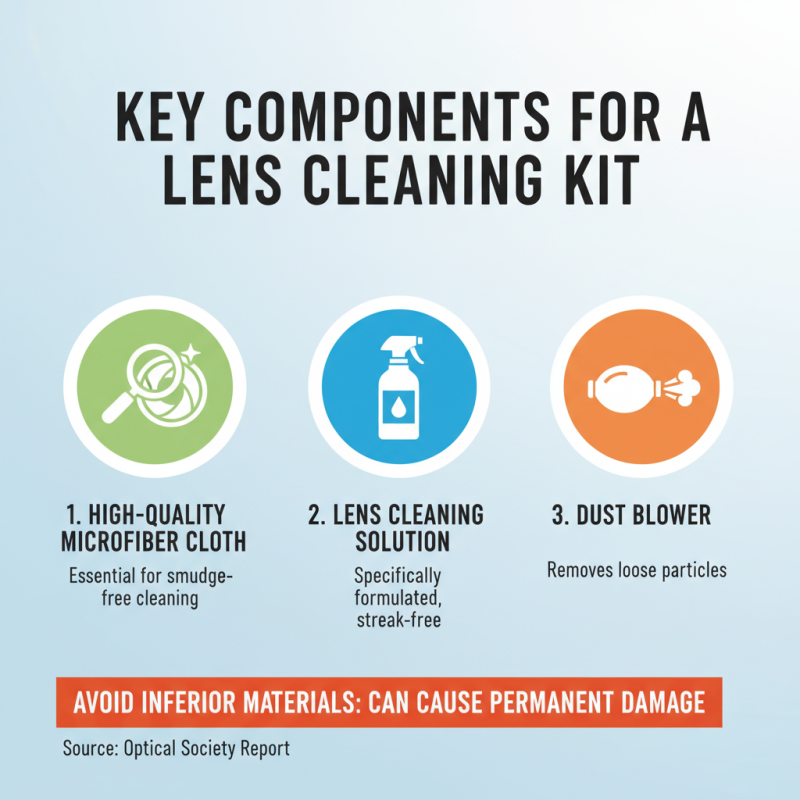
When selecting a kit, consider the materials included. Microfiber cloths are often the best option. They’re soft and won't damage your lens. Abrasive materials may seem effective but can cause long-term harm. Also, check for cleaning solutions that are alcohol-free. Harsh chemicals can degrade lens coatings over time.
Reflect on your specific needs. Do you often photograph in dusty environments? If so, a kit with a blower may be beneficial. Understanding your requirements can help enhance your choice. Reliable sources recommend investing in a quality kit. Your equipment deserves proper care for optimal performance.
Understanding the Importance of a Good Lens Cleaning Kit
A quality lens cleaning kit plays a crucial role in maintaining your optical equipment. Dust, fingerprints, and smudges can impair vision, impacting the user experience. According to a 2022 report by the Optical Society, nearly 70% of photographers noted that clean lenses significantly improve image quality. This highlights the importance of investing in a reliable cleaning solution.
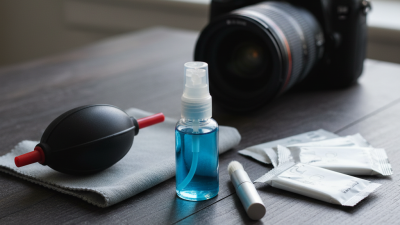
Consider these tips when choosing a lens cleaning kit. Look for microfiber cloths, as they are soft and non-abrasive. A good blower can effectively remove loose particles without scratching the lens. Lastly, ensure the cleaning solution is safe for your specific lens coatings, as improper chemicals can cause damage.
Not all cleaning kits are created equal. Some may include tools that can potentially harm your lens. Research and read reviews before making a purchase. Understanding your equipment’s needs helps avoid common pitfalls. Regularly cleaning can also prolong the life of lenses. Investing in a quality kit can save you money in the long run by preventing costly replacements due to neglect.
Essential Tips for Choosing the Best Lens Cleaning Kit
| Feature |
Importance |
Recommended Item |
Price Range |
| Microfiber Cloth |
Gentle on lenses, prevents scratches. |
High-quality microfiber cloth |
$5 - $15 |
| Lens Cleaner Solution |
Effective cleaning without residue. |
Alcohol-free cleaning solution |
$8 - $20 |
| Lens Brush |
Removes dust and particles safely. |
Soft-bristle lens brush |
$3 - $10 |
| Cleaning Wipes |
Convenient for on-the-go cleaning. |
Pre-moistened lens wipes |
$6 - $15 |
| Carrying Case |
Protects cleaning tools and lenses. |
Compact travel case |
$10 - $25 |
Comparing Different Types of Lens Cleaning Solutions
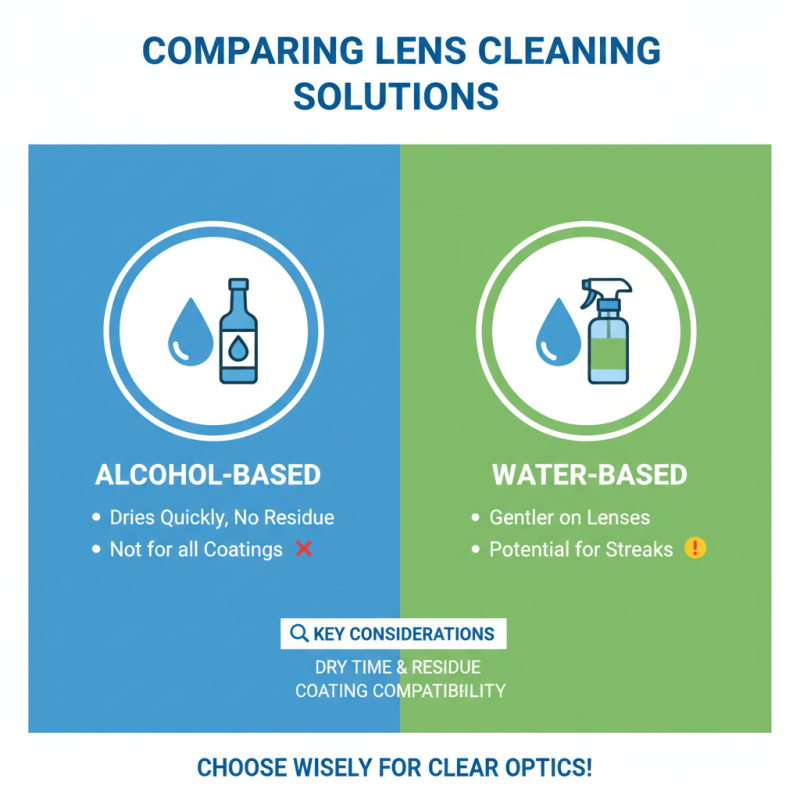
When choosing a lens cleaning solution, consider various types available on the market. Each solution has unique features that impact performance and safety. For instance, some solutions are alcohol-based, while others are water-based. Alcohol solutions typically dry quickly and evaporate without residue. However, they may not be suitable for all lens coatings. Water-based cleaners might be gentler but could leave streaks if not applied correctly.
Data from a 2023 report by the Optical Society reveals that improper cleaning techniques can scratch or damage lenses. About 30% of users do not follow recommended practices. This suggests a need for better education on cleaning methods. Microfiber cloths are often paired with these solutions, providing a safe option for removing dirt and oils. It’s essential to avoid paper towels, as they can create small scratches over time.
Also, consider how often you will use the kit. For daily users, a robust kit with multiple solutions may be best. Infrequent users might opt for a simple spray and cloth combination. Read user reviews and ask for professional opinions, as these can offer insights into product reliability. Remember, the effectiveness of a cleaning kit often relies on the proper technique, not just the products used.
Tips for Proper Lens Cleaning Techniques
Cleaning your lenses properly can enhance your viewing experience. Start with a
microfiber cloth; it prevents scratches and removes dust effectively. Fold the cloth neatly. This way, you expose a clean surface for wiping. Always handle lenses by the edges to avoid smudges.
Use a lens cleaning solution if needed. Spray it lightly onto the cloth, not directly on the glass. This prevents residue and protects the coating. Employ a circular motion when cleaning. This minimizes the risk of streaks. Avoid using paper towels or rough fabrics; they may damage the lens.
Occasionally, reflect on your cleaning habits. Are you cleaning lenses too often? Overcleaning can cause wear. It's crucial to strike a balance. Also, consider the environment where you store your lenses. Dusty areas can lead to more frequent cleaning. Proper lens care requires both technique and awareness.
Maintenance and Storage of Your Lens Cleaning Kit
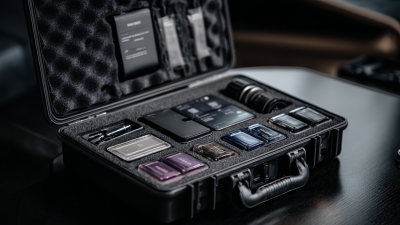
When it comes to maintaining your lens cleaning kit, storage and care are crucial. A study by the Imaging Science Society found that improper cleaning and storage can lead to a degradation of lens quality over time. Store your kit in a hard case to protect it from dust and moisture. A controlled environment ensures that your cleaning materials remain effective.
Tips for cleaning: Always use microfiber cloths to avoid scratching the lens. They are softer and more absorbent than regular fabrics. Frequent users should check their kits regularly, as dirty items can harm the lens instead of helping it.
Keep your cleaning solution in a cool place. Solutions can degrade from direct sunlight exposure. Some users overlook this, impacting the performance of the cleaner. Remember, using expired solutions can be counterproductive. Prioritize proper maintenance to enhance the longevity of your lenses.