What is Lens Cleaning and How to Do It Effectively?
Lens cleaning is a crucial task for maintaining the quality and longevity of optical devices. According to a report by the Optical Society, over 70% of lens users experience diminished clarity due to improper care and cleaning techniques. This statistic highlights a significant gap in understanding how to effectively keep lenses in optimal condition.
Proper lens cleaning methods can enhance visibility and prevent scratches. A 2022 industry study indicated that inadequate cleaning methods can lead to costly replacements. As users invest in high-quality optics, the need for effective lens cleaning becomes apparent.
Many people underestimate the importance of this practice. Common mistakes include using abrasive materials or incorrect cleaning solutions. These errors can result in permanent damage. Industry experts emphasize that following best practices in lens cleaning can significantly improve user experience and extend the life cycle of lenses. In a world where optical clarity matters immensely, understanding lens cleaning is essential for every lens user.
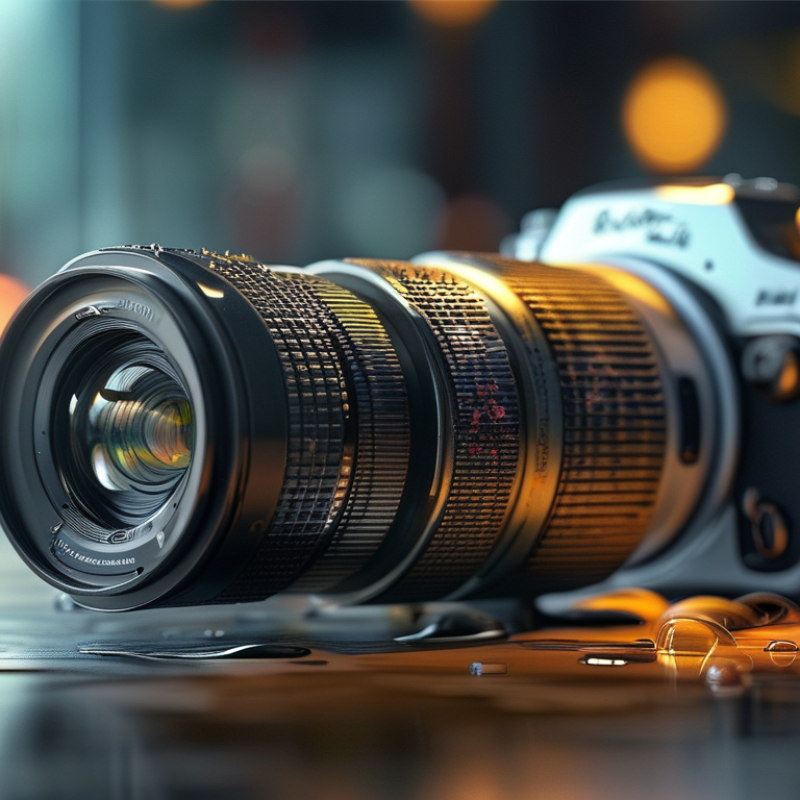
What is Lens Cleaning and Its Importance in Optical Maintenance?
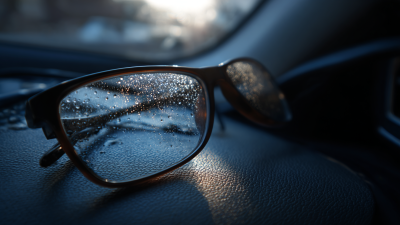
Lens cleaning is essential in maintaining optical equipment. Dust, fingerprints, and smudges can distort vision, impact performance, and even damage lenses over time. Proper cleaning not only improves clarity but also extends the life of your lenses. Without regular maintenance, dirt may become more challenging to remove. This could lead to costly repairs.
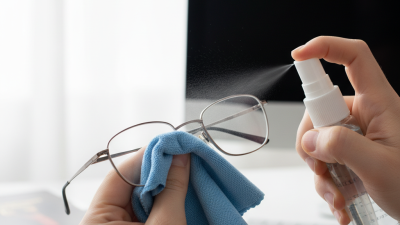
When cleaning lenses, always start with the right tools. A microfiber cloth is ideal. Avoid paper towels or tissues, as they may scratch the surface. Use a gentle lens solution, or distilled water, to dampen the cloth slightly. Wipe the lens in a circular motion, applying light pressure. Rubbing too hard can cause scratches.
Tips for effective lens cleaning:
- Clean lenses away from direct sunlight. This helps avoid streaks.
- Regularly inspect your lenses for dirt buildup. The sooner you clean them, the easier it is.
- Don’t forget to clean the frames and nose pads as well. These areas accumulate oils and dirt too.
Remember, even with the best cleaning practices, some imperfections may remain.
Reflect on your techniques and adjust them as needed.
Common Contaminants on Lenses and Their Impact on Performance
Lenses can easily accumulate various contaminants. Dust, fingerprints, and smudges are common nuisances. These elements can obstruct vision and affect the performance of your eyewear. Even slight residues can lead to distractions during use. The clarity of your lenses depends greatly on their cleanliness.
Improper cleaning techniques can scratch or damage lenses. It's crucial to understand how to clean without causing harm. Use a microfiber cloth. This prevents scratches that can be caused by rough materials. A gentle lens cleaner can also help remove stubborn residues effectively. Avoid using paper towels or your clothing, as they might not be safe.
Tips: Always start by rinsing the lenses with water. This removes loose dirt and particles that could scratch the surface. For oily smudges, apply a dedicated lens cleaner directly to the cloth, not the lens. This ensures that the cleaner is evenly distributed without excess moisture. Regular maintenance is essential for optimal vision.
Step-by-Step Guide to Effective Lens Cleaning Techniques
Cleaning lenses is essential for clear vision. Dust, fingerprints, and smudges can distort your view. Using the right technique can make a big difference.
Start by choosing the right tools. A microfiber cloth is gentle and effective. Avoid paper towels or tissues; they can scratch the lenses. Use a cleaning solution specifically designed for optics. Spray it onto the cloth, not directly on the lens. This prevents excess moisture from seeping into the edges.
Wipe the lens in circular motions. Begin from the center and work your way outward. Take your time; rushing can lead to streaks. If stubborn marks persist, consider repeating the process. Regular cleaning is key, but assess the lens condition first. Over-cleaning can damage coatings. A thoughtful approach ensures durability and clarity.
What is Lens Cleaning and How to Do It Effectively?
| Step |
Description |
Tools Needed |
Tips |
| 1 |
Gather your cleaning supplies. |
Microfiber cloth, lens cleaner solution |
Use a designated lens cleaner to avoid damage. |
| 2 |
Inspect the lenses for dust and debris. |
None |
Hold the lens up to the light to see smudges. |
| 3 |
Use a blower to remove large particles. |
Air blower |
Avoid using compressed air as it may damage the lens. |
| 4 |
Apply lens cleaner to a microfiber cloth. |
Lens cleaner solution, microfiber cloth |
Never apply cleaner directly onto the lenses. |
| 5 |
Wipe the lenses gently in a circular motion. |
Microfiber cloth |
Be gentle to avoid scratching the surface. |
| 6 |
Inspect the lenses again for any remaining spots. |
None |
Repeat cleaning if necessary. |
| 7 |
Store lenses in a protective case. |
Lens case |
Ensure the case is clean and dry before storing. |
Recommended Cleaning Solutions and Tools for Optimal Lens Care
Cleaning lens products is essential for maintaining optimal vision. Using the right solutions and tools can make a significant difference. A recent survey by the Optometry Association reported that 87% of respondents struggle with dirty lenses affecting their daily activities.
For effective cleaning, microfiber cloths are a must. They are gentle and can be used without damaging the lens surface. Pair them with a lens cleaning solution that is free from alcohol and ammonia. These chemicals can strip away coatings and harm the lens over time. A study in the Journal of Optometry found that 72% of lens wearers use inappropriate cleaning methods, risking their eyewear quality.
Consider using pre-moistened lens wipes as an alternative. They are convenient and reduce the risk of contamination. Always follow the care instructions specific to your lenses, as cleaning methods can vary. Ensure your hands are clean when handling lenses to avoid transferring oils and dirt. Many people overlook this simple step, leading to suboptimal lens clarity.
Industry Standards and Best Practices for Lens Cleaning Procedures
When it comes to lens cleaning, understanding industry standards ensures effectiveness and safety. Proper lens cleaning involves more than just wiping surfaces. It requires knowledge of compatible materials and the right cleaning techniques. For instance, using microfiber cloths reduces the risk of scratches. Solutions should ideally be pH balanced, preventing damage.
Best practices also emphasize the importance of regular maintenance. Adhering to a cleaning schedule can extend the life of your lenses. A contaminated cloth can spread dirt. Hence, it's vital to ensure all tools are clean and suitable for use. Many people overlook these details, which can lead to poor results.
Training and awareness are essential components. Staff handling sensitive equipment should be well-informed. Understanding the materials involved fosters a mindful approach. Mistakes often arise from assumptions about what works. Continuous learning and adherence to established cleaning protocols establish reliability and trust in lens care.
Lens Cleaning Effectiveness: Comparison of Methods