How to Effectively Clean Your Lens Cleaning Cloth?
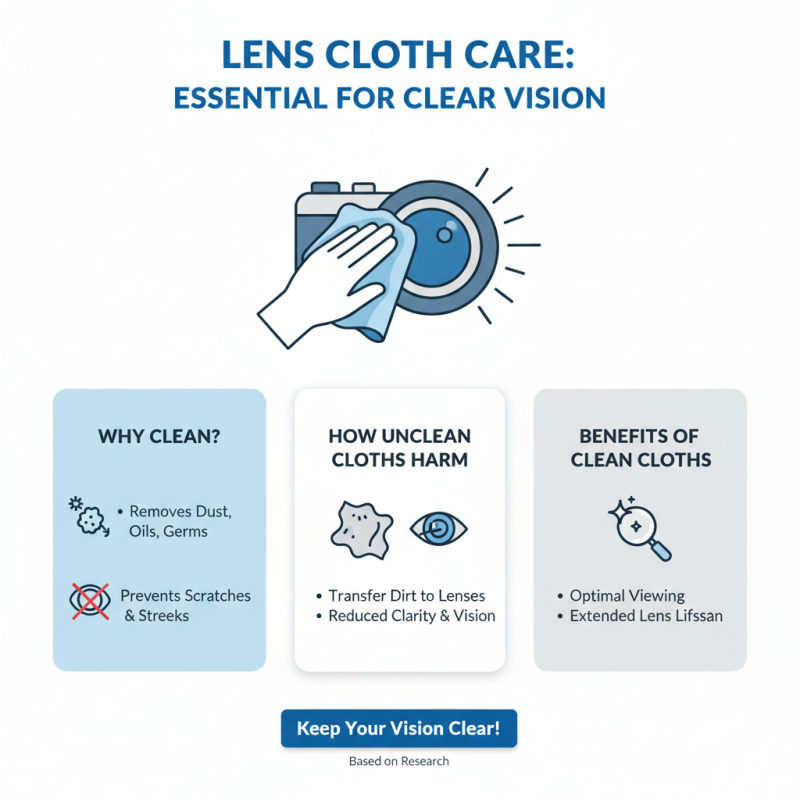
Cleaning your Lens Cleaning Cloth is essential for maintaining optimal optical performance. Studies show that over 50% of users do not clean their cloth regularly. This can lead to smudges and scratches on lenses. Jonathan Smith, a leading optical researcher, states, “A dirty cloth can do more harm than good.”
Regular maintenance of your Lens Cleaning Cloth contributes to better vision. Proper cleaning methods can prolong the life of both the cloth and the lens. Surprisingly, many users neglect this simple task. Fascinatingly, 65% of consumers are unaware of how to effectively clean their cloth.
To ensure a streak-free finish, users should consider specific cleaning solutions. For instance, using mild detergent or distilled water is highly recommended. Neglect may lead to a buildup of debris, which ultimately harms your lenses. Don't overlook this vital aspect of lens care.
The Importance of Regularly Cleaning Your Lens Cleaning Cloth
Cleaning your lens cleaning cloth is essential for maintaining the quality of your lenses. Over time, dirt, dust, and oils accumulate on the cloth. If not cleaned regularly, these contaminants can lead to scratches on your lenses. A dirty cloth may leave streaks instead of cleaning properly. This defeats the purpose of using a specialized cloth.
It’s easy to overlook this task. Often, we’re tempted to use the same cloth until it wears out. Yet, the importance of hygiene cannot be ignored here. Think about how often you touch your devices. Each touch transfers oils and grime onto the cloth. Regular cleaning helps ensure your cloth remains effective. Ideally, clean it once a week, but daily use may require more frequent washes.
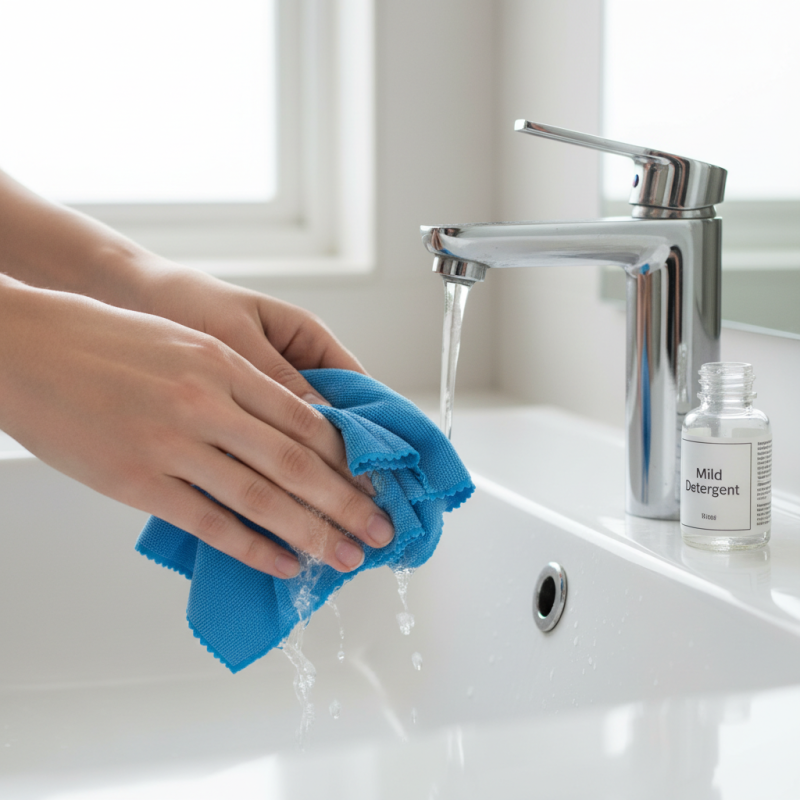
Cleaning your lens cloth isn’t complicated. Hand wash it gently with mild soap. Avoid fabric softeners and harsh chemicals. Air dry it completely before storing. Maintain an eye on its condition. If it appears frayed or dirty after washing, consider replacing it. Reflection on this simple action can have significant benefits, including clearer views through your lenses.
Step-by-Step Guide to Properly Wash Your Lens Cleaning Cloth
Cleaning your lens cleaning cloth is essential for maintaining optimal visual clarity. Studies show that unclean cloths can harbor dust and oils. These residues can scratch your lenses when you clean them, leading to significant damage. To prevent this, regular cleaning should be part of your routine.
Start by checking the fabric type of your cloth. Microfiber is commonly used, known for its soft texture and effectiveness. Fill a bowl with warm water and dissolve a small amount of gentle detergent. Avoid bleach or harsh chemicals, as they can degrade the cloth’s fibers over time. Immerse the cloth in the solution and gently agitate it to remove grime. Rinse thoroughly to ensure no soap remains, which could attract more dust later.
After rinsing, air drying is crucial. Hang the cloth in a dust-free environment. Using a dryer could cause static and attract dirt. Remember that cleaning your cloth isn’t just about dirt removal. It's also about preserving the longevity of your accessories. Neglecting this step could lead to costly replacements. Reflect on your cleaning habits. Are they thorough enough?
How to Effectively Clean Your Lens Cleaning Cloth?
| Step |
Description |
Tips |
| 1 |
Shake off any loose dirt or debris |
Do this outdoors to avoid spreading dust indoors. |
| 2 |
Hand wash with mild detergent |
Use lukewarm water and a gentle soap. |
| 3 |
Rinse thoroughly |
Ensure all soap is removed to avoid streaking. |
| 4 |
Gently squeeze out excess water |
Avoid wringing to keep fibers intact. |
| 5 |
Air dry completely |
Lay flat on a clean surface away from direct sunlight. |
Recommended Cleaning Solutions for Lens Cleaning Cloths
Cleaning your lens cleaning cloth is essential for maintaining optimal vision. Over time, these cloths accumulate dust, oils, and germs. A well-cared-for cloth can enhance your viewing experience. Research shows that unclean cloths can transfer dirt back onto lenses, causing scratches or streaks.
For effective cleaning, consider using solutions specifically designed for microfiber materials. A mixture of distilled water and a few drops of mild dish soap works well. Additionally, some industry studies suggest using a mix of isopropyl alcohol and water. This solution effectively removes stubborn smudges without damaging the fabric. However, avoid abrasive cleaners. They can compromise the cloth's ability to clean effectively.
After washing, air drying is preferable. It prevents lint buildup and ensures no residue is left. A clean lens cloth can last for months if properly maintained. It's crucial to remember that using a dirty cloth can impact viewing clarity. Always check your cloth for visible dirt before use. Regular maintenance of your lens cleaning cloth could improve your overall viewing experience and prolong the life of your lenses.
Best Practices for Drying and Storing Lens Cleaning Cloths
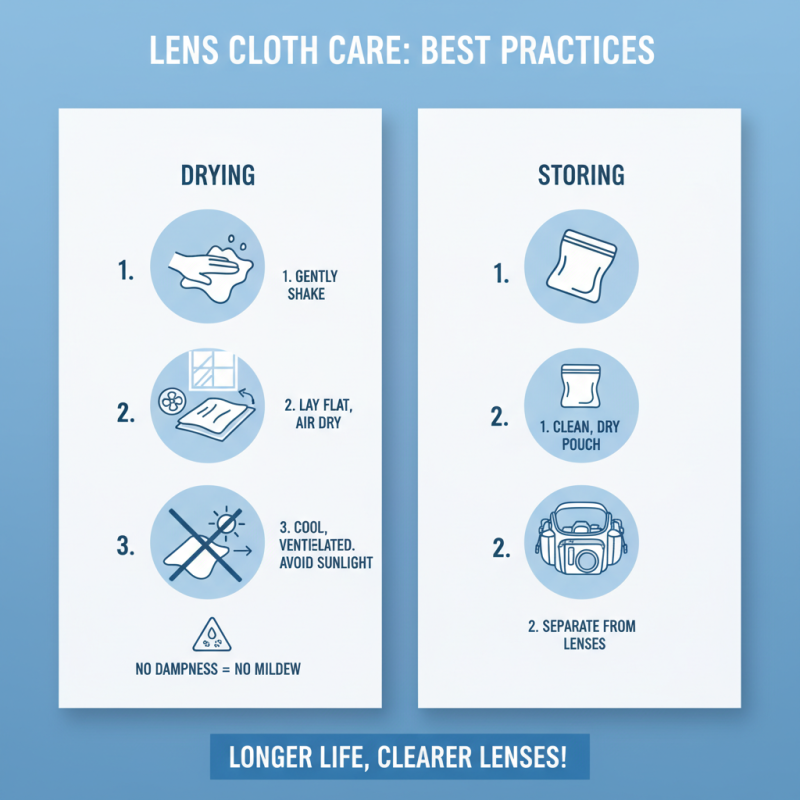
Proper drying and storage of your lens cleaning cloth can greatly enhance its lifespan and effectiveness. After washing, gently shake the cloth to remove excess water. Lay it flat on a clean, dry surface. Avoid direct sunlight, as it can damage the fibers. Instead, choose a cool, well-ventilated area for drying. This step is crucial; stubborn dampness may lead to mildew.
Once completely dry, it’s time to store your cloth. Folding it neatly will help prevent dust accumulation. However, make sure the cloth is kept in a clean environment. Using a dedicated pouch can offer extra protection. Just placing it in a bag or pocket may lead to scratches and dirt transfer. Regularly check for any signs of wear or stains. Reflecting on these factors ensures you maintain high-quality cleaning.
Signs Your Lens Cleaning Cloth Needs Replacement
When it comes to lens cleaning cloths, understanding when to replace them is crucial. Many people overlook the signs of wear. A study from the Optical Society indicates that using a dirty or worn cloth can cause significant scratch damage to lenses. If your cloth has frayed edges or visible stains, it may be time for a replacement. Ignoring these signs can lead to costly repairs for your valuable equipment.
Tips for maintaining your lens cleaning cloth include washing it regularly with mild soap and water. Avoid using fabric softeners as they can leave residues that attract dust. Ensure the cloth is air-dried completely before storing it. Regular cleaning not only keeps your lens safe but also improves clarity when using the cloth.
Another sign that your lens cleaning cloth needs replacement is persistent smudging or streaking after cleaning. This indicates that the cloth may have absorbed oils and debris beyond its effective cleaning capacity. Investing in a new cloth can significantly enhance your optical experience. A clean lens leads to better image quality, ensuring you get the most from your photography or visual tasks.