How to Choose the Best Lens Cleaning Tissue for Your Needs?
Choosing the right Lens Cleaning Tissue can be a daunting task. With the variety of options available, making an informed choice is essential. Renowned optics expert Dr. Emily Carter emphasizes, “Not all cleaning tissues are created equal. Quality matters.” This statement underlines the importance of selecting a product that truly meets your needs.
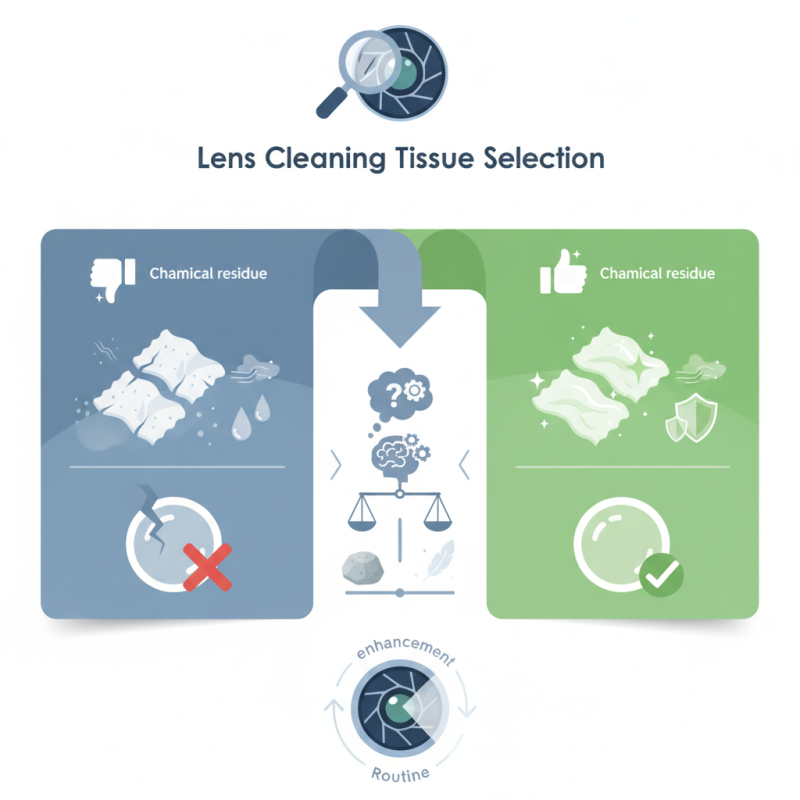
Lens cleaning tissues are not just about removing dust. They should be gentle yet effective on delicate surfaces. Many users overlook material composition and chemical residues. These factors can affect their lenses over time. High-quality tissues often feature specialized formulations that prevent scratches and streaks.
Reflecting on the myriad choices available, it’s clear that not every product lives up to its promises. Users must navigate through designs and materials. A poor choice can lead to frustrating results. Therefore, understanding what goes into a Lens Cleaning Tissue is vital. Wisely selecting the right product can enhance your lens maintenance routine significantly.
Understanding Different Types of Lens Cleaning Tissues Available in the Market
When choosing a lens cleaning tissue, it's essential to understand the different types available. There are disposable and reusable options, each serving unique purposes. Disposable tissues are convenient and hygienic. They are perfect for quick cleanups. Reusable cloths, on the other hand, can be washed and used multiple times, making them more sustainable.
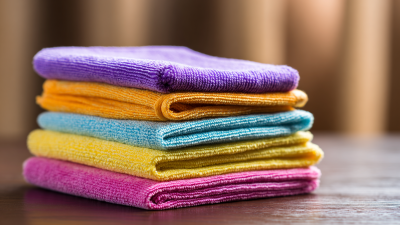
The material of the tissue is also critical. Microfiber cloths are popular as they can lift dirt and grease without scratching the lens. Some tissues are designed specifically for anti-fogging, which is useful in humid conditions. You may find tissues with special coatings to enhance their effectiveness. However, it's essential to consider the effectiveness versus potential damage to your lenses.
Not all lens cleaning tissues are created equal. Certain types may leave lint behind or require more effort to get a streak-free finish. It can be frustrating to find out that a tissue is not suitable for your device. Always check reviews or ask professionals for insights before you buy.
Evaluating the Materials Used in Lens Cleaning Tissues
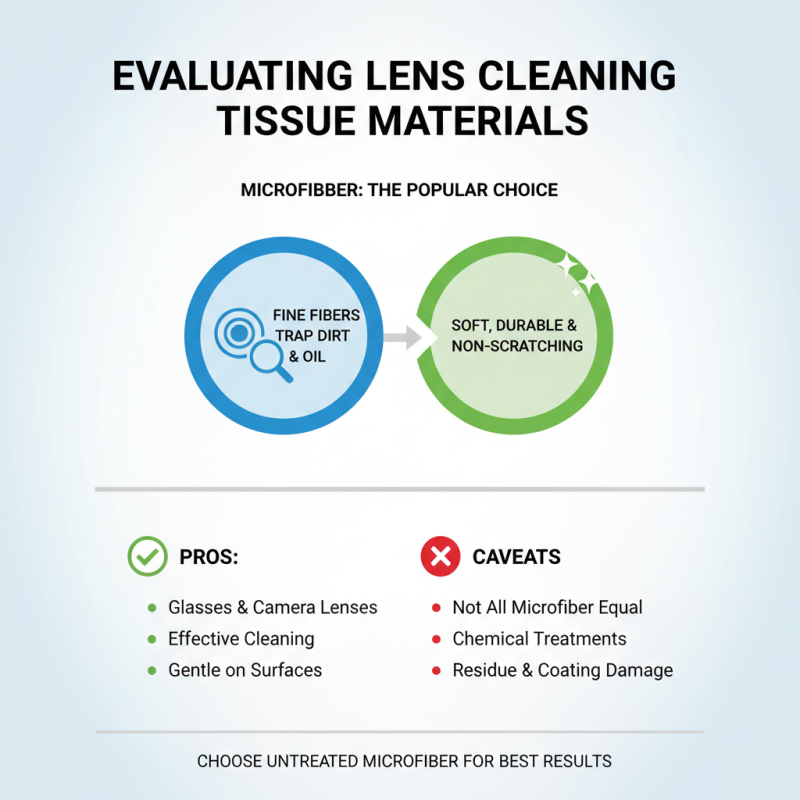
When it comes to lens cleaning tissues, the materials used can significantly impact their effectiveness. Microfiber is a popular choice due to its fine fibers that can trap dirt and oils without scratching delicate surfaces. These tissues are soft yet durable, making them suitable for various lenses, including glasses and camera lenses. However, not all microfiber is created equal; some may be treated with chemicals that can leave residues or damage coatings.
Another material commonly found in lens cleaning tissues is paper. While paper tissues are readily available, they can vary in quality. High-quality paper is engineered to be lint-free and absorbent, but cheaper options may result in lint buildup on your lenses. Additionally, some paper tissues can be too abrasive, risking scratches. Remember that cleaning your lenses regularly is essential, but using the wrong material can be counterproductive. The need for careful evaluation of these materials cannot be overstated, as improper choices can lead to frustrating results. Reflect on your current cleaning habits. Are you using the best materials for your needs?
Identifying Your Specific Lens Cleaning Needs and Preferences
When choosing lens cleaning tissues, it’s essential to consider your specific needs. Different lenses, from eyeglasses to camera optics, require distinct care. According to a report by the Optical Society, nearly 70% of people experience issues with lens smudging, indicating a common need for effective cleaning solutions.
Identifying your preferences is equally important. Are you looking for disposable tissues or reusable options? Data from the Lens Cleaning Industry indicates that around 55% of consumers prefer disposable products due to convenience and hygiene concerns. However, some users favor reusable cloths for their environmental benefits. Reflect on how often you clean your lenses. If your usage is frequent, a bulk supply of disposable tissues might be ideal.
You might have noticed that some tissues leave residue behind. This can be frustrating and counterproductive. Evaluating the materials used in lens tissues is vital. Reports suggest that microfiber blends tend to perform better, offering superior cleaning without scratching delicate surfaces. Ultimately, weigh these details to find a cleaning solution that aligns with your specific lens care needs.
Considering Environmental Impact and Eco-Friendly Options
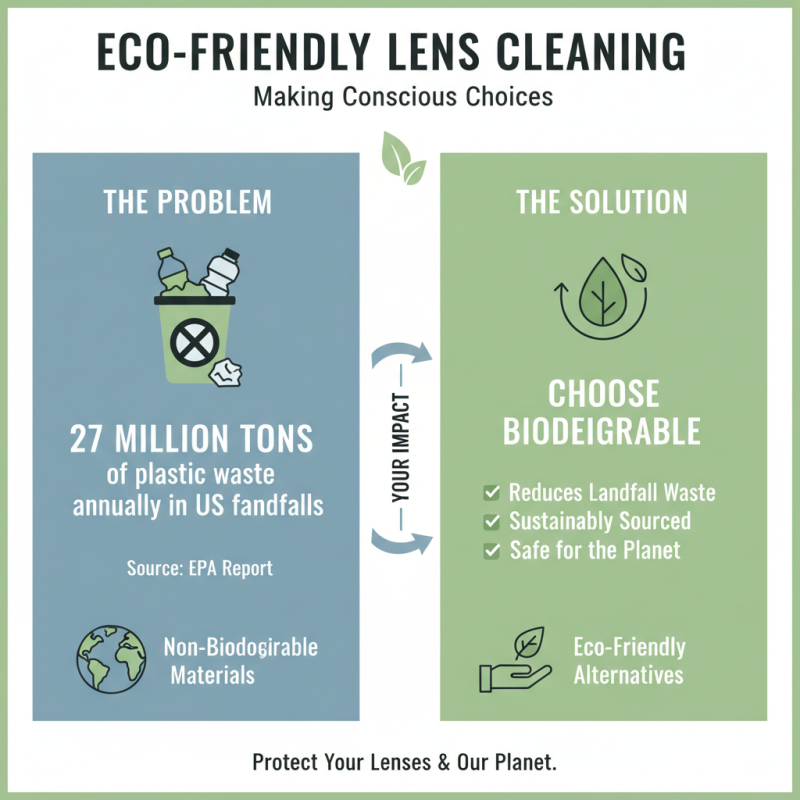
When selecting lens cleaning tissues, the environmental impact should be a key consideration. Many common options contain non-biodegradable materials. According to a report by the Environmental Protection Agency, about 27 million tons of plastic waste ends up in landfills each year. This underscores the importance of choosing eco-friendly alternatives that won’t contribute to this crisis.
Look for lens cleaning tissues made from recycled or biodegradable materials. These options help reduce landfill waste. Products labeled as "green" or "eco-friendly" often undergo rigorous testing to ensure they meet environmental standards. In fact, studies show that adopting sustainable products can decrease overall environmental footprints by 30%.
Tip: Always check for certifications that prove a product’s sustainability. Also, consider reusable cleaning cloths made from organic cotton or bamboo. These options not only provide effective cleaning but also minimize waste over time. Remember, each choice you make can impact our planet. Consider carefully and choose wisely.
Assessing Cost vs. Quality in Lens Cleaning Tissue Selection
When selecting lens cleaning tissue, consider the balance between cost and quality. High-quality tissues often come at a higher price, but they provide better protection for your lenses. Cheaper options may save you money upfront, but they can leave streaks or damage delicate coatings. Assess your needs and budget carefully.
Tips for choosing the right tissue:
- Check the material. Microfiber is gentle on lenses.
- Look for anti-static properties. This will reduce dust attraction.
- Think about packaging. Individually wrapped tissues are convenient and hygienic.
Not all tissues are created equal. Some might feel softer but don’t clean well. Others might scratch surfaces, undermining their purpose. Observing reviews can help gauge reliability. Balancing cost with effective cleaning will save you in the long run. Make informed choices based on specific needs rather than
brand loyalty.