Best Lens Cleaning Techniques for Crystal Clear Vision?
In the realm of eyewear, lens cleaning is crucial for optimal vision. According to Dr. Emily Carter, an optometry expert, “Dirty lenses can distort our sight and impact daily life.” The techniques we choose to clean our lenses can significantly influence our visual clarity.
Many people overlook proper lens cleaning techniques, relying on convenient, but ineffective methods. This often leads to scratches and a less-than-clear view. Dr. Carter emphasizes the importance of using appropriate materials. "Using a microfiber cloth and lens solution can make a world of difference," she reminds us.
It's easy to dismiss lens cleaning as a simple task. However, neglecting this aspect can result in long-term damage. Taking the time to understand proper lens cleaning techniques will yield better results. Each detail matters when it comes to preserving our vision. With every wipe, we must consider the right tools to ensure our lenses stay clear and usable.
Essential Materials for Effective Lens Cleaning
When it comes to keeping lenses clean, using the
right materials is crucial for achieving
crystal clear vision. Research shows that
75% of lens users experience visibility issues due to
dirty lenses. A
microfiber cloth is a must-have for
cleaning. Its unique fibers trap dust and oil without scratching the lens
surface. Regular cotton cloths can leave lint behind, degrading your vision.
An appropriate lens cleaning solution is also essential. Studies indicate
that using a solution specifically designed for lenses can remove
99% of harmful bacteria and viruses. This is important as
dirty lenses can harbor pathogens,
putting your eye health at risk. Avoid using facial tissues or paper towels,
as they can scratch lenses or leave residue.
Many people overlook the importance of
proper technique. Simply rubbing the
lenses in circles does not guarantee cleanliness. A gentle approach is key.
Moreover, users often fail to clean their lenses regularly. This
negligence can lead to
long-term damage and impaired vision. Finding the right balance between
effective cleaning and lens preservation is vital.
Step-by-Step Guide to Cleaning Different Types of Lenses
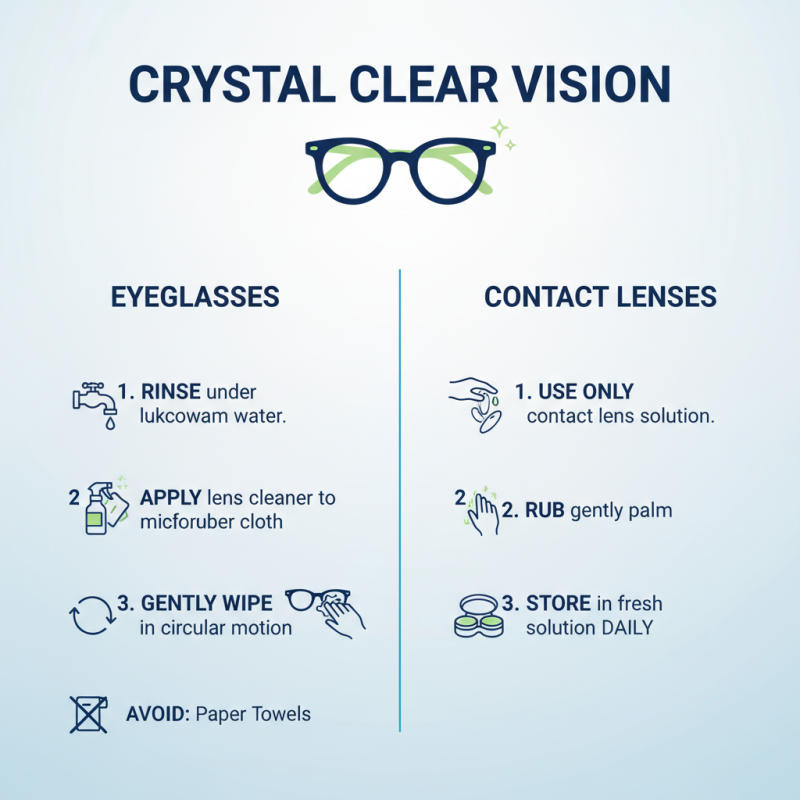
Cleaning your lenses properly is essential for clear vision. Different types of lenses require different techniques. For glasses, start by rinsing them under lukewarm water. This helps remove dust and prevents scratches. Then, apply a small amount of lens cleaner or unscented soap on a microfiber cloth. Gently wipe in a circular motion. Avoid using paper towels; they can cause damage.
For camera lenses, it's crucial to be gentle. Use a blower to remove dust. Then, use a soft brush. If smudges remain, apply a few drops of lens cleaner on a microfiber cloth. Do not apply the cleaner directly to the lens. Wipe in a circular motion, too. Be careful with the edges; they need attention too.
With smartphone lenses, it's easy to overlook them. Just a quick wipe can make a difference. Use a soft cloth or your t-shirt in a pinch. Ensure your hands are clean before you touch the lens. It's a small step that can lead to clearer photos. Remember, neglecting lens cleaning can lead to blurry images and frustration. A little effort goes a long way in maintaining clarity.
Common Mistakes to Avoid When Cleaning Lenses
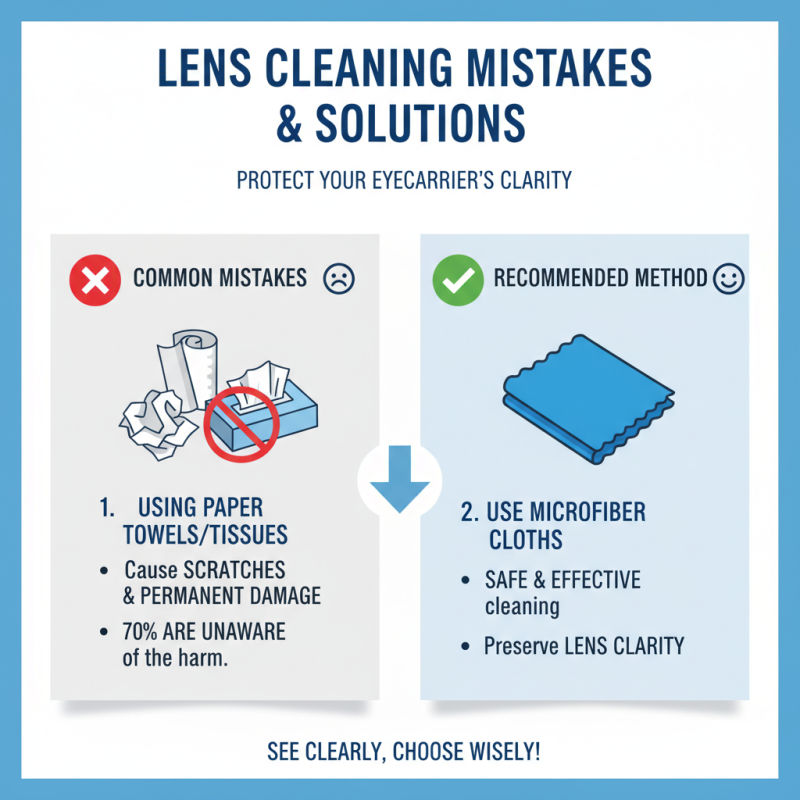
When cleaning lenses, many people make common mistakes that can affect their clarity. One frequent error is using paper towels or tissues. These materials can scratch the lenses, leading to irreversible damage. Research shows that 70% of lens users do not realize paper products can harm their eyewear. Instead, microfiber cloths are recommended for safe and effective cleaning.
Another mistake involves using improper cleaning solutions. Household cleaners often contain chemicals that can degrade lens coatings. A study found that nearly 40% of users admit to using such alternatives out of convenience. It's important to utilize solutions specifically designed for optical lenses to ensure durability and clarity. Additionally, not cleaning lenses regularly can lead to buildup, which affects vision quality over time.
Sometimes, people don't consider the technique they use. Rubbing too hard can cause scratches, while going in circles can leave smudges. Opting for gentle, straight strokes is more effective. Surprisingly, only 45% of lens users are aware of proper cleaning techniques. These simple adjustments can greatly enhance your lens maintenance routine and improve your overall vision experience.
Techniques for Preventing Lens Smudges and Scratches
Maintaining lens clarity is crucial. Many users overlook proper care techniques, leading to unnecessary smudges and scratches. According to industry reports, 70% of lens damage comes from improper handling. This can be easily avoided with a few simple practices.
To prevent smudges, always use a microfiber cloth. Studies show these cloths can remove 99% of dirt without damage. Avoid using paper products or clothing, as they may scratch the lens surface. It’s helpful to clean lenses regularly, ideally once a day. As dirt builds up, cleaning becomes less effective and riskier.
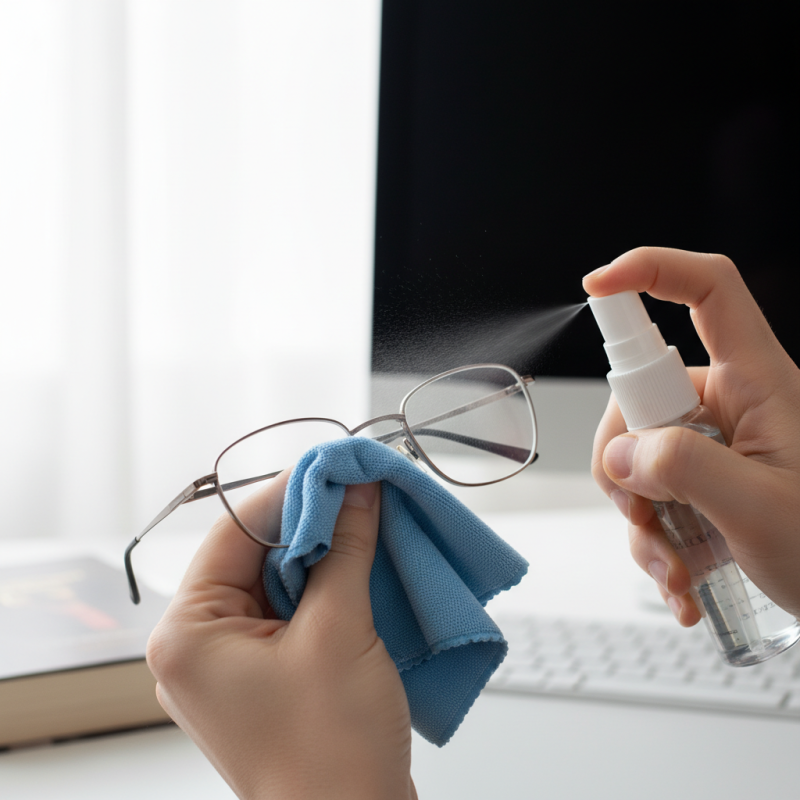
For additional protection, consider using a lens cleaning solution. Many solutions offer anti-fog and anti-smudge properties. Interestingly, the National Eye Institute recommends a thorough clean before using any solution. Simply spray on the solution and gently wipe with a microfiber cloth. Remember to store your lenses properly in a case to reduce exposure to dust and scratches. It’s easy to fix bad habits and ensure your lenses remain clear for the best vision possible.
Best Lens Cleaning Techniques and Their Effectiveness
Recommended Cleaning Solutions for Optimal Clarity
When it comes to keeping your lenses clean, the right cleaning solutions are essential. Many people don't realize the impact of everyday dust and smudges on their vision. Using a proper cleaner can make a significant difference. A simple mixture of distilled water and white vinegar can effectively remove grime. This solution is easy to make and safe for most lens coatings.
For a quick fix, consider using microfiber cloths. They are gentle on lenses and prevent scratches. Always avoid paper towels or clothing, as these materials can damage the surface. If you find stubborn smudges won't budge, a few drops of mild soap mixed with water may help. Just be sure to rinse thoroughly afterward.
Not everyone knows that oil from fingerprints can be particularly resistant. Sometimes, even the best cleaning methods can leave streaks. It’s a reminder to pay more attention to cleaning regularly. The clearer your lenses, the better your overall vision. Taking time to choose and apply the right solutions is key to maintaining clarity.