Leave Your Message

2026 How to Choose the Best Mens Glasses Case?

Choosing the right Mens Glasses Case has become a practical buying decision, not a minor accessory choice. Grand View Research valued the global eyewear market at approximately USD 118.5 billion in 2023. It also projects continued growth through 2030. More glasses mean more daily protection problems.

The Vision Council’s consumer research shows that eyewear remains a frequent purchase in the United States. Frames travel through handbags, backpacks, car consoles, and crowded desk drawers. A thin fabric pouch may prevent scratches. It will not always stop crushing, heat, or bending. That difference matters when replacing prescription lenses becomes expensive. The best Mens Glasses Case should fit the frame tightly, close securely, and survive realistic daily handling. It should also remain easy to open with one hand. Small details decide whether people use it consistently.

Dr. Gary Heiting, OD, an optometry writer and eyewear-care educator, advises, “A hard case is the best protection for glasses when they are not being worn.” This principle is simple. Real choices are not. A rigid shell protects better, but it may occupy more space. A compact case travels easily, yet may offer weaker impact resistance. Leather can feel refined, but poor lining may still scratch lenses. We should admit one limitation: no single case suits every frame, lifestyle, or budget. This guide compares materials, dimensions, closures, interior lining, portability, and value. It also examines overlooked details, such as hinge pressure and moisture trapped inside. A case should protect your glasses before damage appears. That is the standard worth testing.
2026 How to Choose the Best Mens Glasses Case?

What Is a Men’s Glasses Case and Why Does It Matter?

A men’s glasses case is a compact container that protects eyeglasses between uses. It cushions frames against keys, dust, pressure, and accidental drops. A case is not merely an accessory. It manages daily risk.

The World Health Organization estimates that at least 2.2 billion people have near or distance vision impairment. The Vision Council’s 2023 Consumer Insights report also found that 64% of U.S. adults wear prescription glasses. These figures show why basic eyewear protection deserves attention. Scratched lenses can affect reading, computer work, and driving comfort. Keep it close.

For daily use, choose a case with a firm outer shell and a soft, clean lining. The interior should fit the frame without forcing the temples outward. Fit matters. A loose case allows movement, while a tight case can press hinges and distort alignment.

I once preferred a slim fabric pouch because it saved space. It looked convenient, but it offered little protection inside a crowded bag. That choice needed reconsideration.

A strong closure also matters. Zippers may resist dust, while a snap design can open faster. Avoid storing wet glasses inside any case, because trapped moisture may encourage residue and odors. The case should match your routine, not just your wardrobe. A larger frame needs more room, but extra space should not become careless movement.

How to Match a Glasses Case to Your Frame and Lens Type

2026 How to Choose the Best Men’s Glasses Case?

A glasses case should match the frame’s shape, not just its color. The Vision Council’s 2023 Consumer inSights report states that 64% of American adults wear eyeglasses. That makes daily protection a practical concern, not a minor accessory choice. Measure the frame’s width, height, and temple length before buying. A narrow case can press against oversized frames. It may also bend thin temples.

For large square, aviator, or wraparound frames, choose a rigid case with extra depth. Leave several millimeters around the frame. Small gaps matter. Rimless frames need soft internal lining because exposed lens edges can touch hard surfaces. Progressive lenses benefit from microfiber protection, since fingerprints and fine dust can affect comfortable viewing. High-index lenses are thinner, but their coatings still need careful protection. The American Optometric Association advises cleaning lenses with suitable materials rather than abrasive fabrics, supporting the value of a smooth, lint-free case interior.

Polarized and photochromic lenses also need a case that blocks crushing pressure and reduces surface contact. A magnetic closure may be convenient, but weak magnets can open inside a bag. I prefer a firm zipper or tested snap. This is not always elegant. It is safer. One overlooked detail is hinge clearance; a case can fit the lenses while stressing the frame arms. Check the fit after closing, then inspect for pressure marks after a week. Personal experience suggests that “universal” cases are often only nearly universal. That difference becomes expensive.

2026 How to Choose the Best Men's Glasses Case?

How to Match a Glasses Case to Your Frame and Lens Type

The chart shows practical minimum internal case dimensions for common adult frame and lens combinations. Measurements are in millimetres and include clearance for the frame, lenses, hinges, and protective padding. Measure your own frame before buying: oversized, thick, high-prescription, and wraparound frames usually need a deeper case.

Which Materials and Designs Offer the Best Protection?

2026 How to Choose the Best Mens Glasses Case?

A men’s glasses case should protect lenses from pressure, dust, and sudden drops. The Vision Council’s 2024 Consumer Insights report found that about 75% of U.S. adults use vision correction. That makes everyday storage a practical concern, not a style extra.

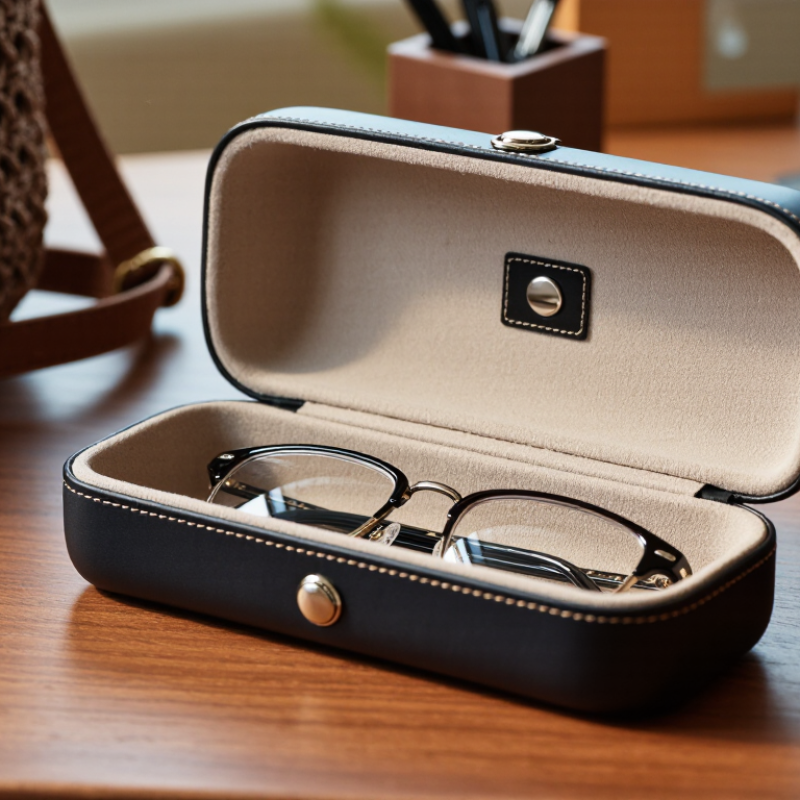
Hard-shell cases offer stronger impact resistance than soft pouches. Look for a rigid outer layer, a soft microfiber lining, and a hinge that closes firmly. A case should not squeeze the frame. Tight storage can slowly bend temples and nose pads.

Material choice matters. Polycarbonate and reinforced plastic provide useful toughness without excessive weight. Leather may feel premium, but it can collapse unless it has internal reinforcement. Metal cases resist crushing, yet some scratch easily and become noisy in a bag.

The ASTM D5276 drop-test method shows why controlled drop testing matters for protective packaging, although glasses cases do not all follow one universal test. Real protection can still vary.

Tips:

Press the case gently before buying. It should resist compression. Shake it with glasses inside. They should not move freely. Choose a washable lining, especially if you carry the case in a pocket. Avoid cases with exposed magnets near electronic cards. A slim design is convenient, but extremely thin walls often sacrifice protection. I once preferred the smallest case, then found its corners offered little defense. That trade-off deserves honest thought.

How to Choose the Right Case Size, Closure, and Portability

Choosing the Best Men’s Glasses Case in 2026

The right case should match your glasses, daily routine, and storage habits. Start with the frame measurements, including width, height, and temple length. A case that feels slightly roomy protects better than one that presses the lenses. However, excessive space lets glasses slide and may increase scratching. I once chose a slim case that looked elegant but squeezed my frame. That was a poor trade-off.

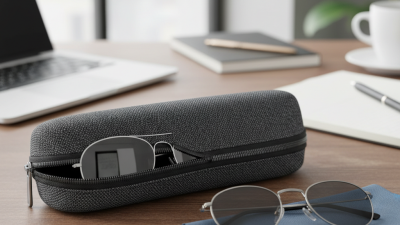
Closure design matters during real movement. A firm snap closure can resist accidental opening inside a work bag. A zipper offers strong protection but may require two hands. Magnetic closures feel convenient, yet weak magnets can open near crowded pockets. Check the hinge, stitching, and inner lining before buying. Soft microfiber is useful, but it cannot fix a badly fitting shell.

Portability depends on where the case travels. For office commutes, choose a lightweight case that fits a jacket pocket or small shoulder bag. For driving, a hard case works well in a console or backpack. Bulky cases can protect better, but they often stay at home. That defeats their purpose. Test the case with your glasses inside, then carry it for a day. Your first choice may still need reconsideration.

How to Compare Durability, Maintenance, Style, and Value

How to Choose the Best Men’s Glasses Case in 2026

A glasses case protects an everyday medical aid, not merely an accessory. The World Health Organization reports that at least 2.2 billion people have near or distance vision impairment. The Vision Council’s 2024 Consumer Insights report also indicates that roughly three in four Americans use vision correction. That makes durability worth examining closely.

Choose a hard-shell case with firm hinges, reinforced edges, and a soft, lint-free lining. Press the lid gently. It should resist bending without feeling heavy. Check the interior depth, too. Oversized frames may touch the shell and develop scratches. Maintenance matters. A removable microfiber insert is easier to clean than fixed fabric. Avoid harsh chemicals, which may damage coatings or synthetic materials. No case is perfect. A strong shell can still crack after repeated drops, so product testing details deserve more attention than attractive packaging.

Tips: Compare weight, hinge strength, interior clearance, and cleaning instructions before buying. For value, divide the price by expected years of use. A cheaper case may become expensive after one broken hinge. Style still matters, but muted colors hide dust less effectively than expected. That is an easy detail to overlook. Choose a texture that stays secure in your hand and fits your daily bag.

2026 How to Choose the Best Men's Glasses Case? - How to Compare Durability, Maintenance, Style, and Value

Comparison figures are practical guide values based on common case constructions and typical retail specifications; actual performance varies by design and use.
Case Type Typical Materials Approx. Weight Protection Level Durability Maintenance Style Profile Typical Price Range Estimated Service Life Best Use Value Assessment
Rigid Molded Case Polycarbonate or ABS shell with microfiber lining 90–150 g Very high protection against crushing and impact ★★★★★ Wipe the exterior with a damp cloth; remove dust from the hinge and lining Clean, practical, and travel-friendly US$12–30 3–7 years with normal use Air travel, commuting, backpacks, and active lifestyles Excellent protection per dollar; usually the safest all-purpose choice
Metal Snap-Frame Case Aluminum or steel frame with coated exterior and soft inner lining 100–180 g High protection against compression; corners may dent ★★★★☆ Keep dry, polish only when appropriate, and check the snap frame for alignment Structured, traditional, and refined US$15–40 3–6 years with careful handling Office use, formal clothing, and briefcase storage Good balance of appearance and protection; moderate weight
Leather or Leather-Look Case Full-grain leather, bonded leather, or polyurethane-coated textile 70–140 g Moderate to high protection, depending on internal structure ★★★★☆ Use a dry or slightly damp cloth; condition genuine leather occasionally; avoid prolonged moisture Premium, understated, and suitable for professional settings US$20–75 2–8 years, depending on material and care Professional environments, gifting, and everyday carry High style value; the best long-term choice when the material is genuine and well maintained
Soft Microfiber Pouch Microfiber, cotton, polyester, or blended fabric 15–45 g Low protection against crushing; good for scratch prevention ★★★☆☆ Machine-wash only if the care label permits; keep away from grit and sharp objects Minimal, lightweight, and casual US$5–18 1–3 years with regular use Jacket pockets, desk storage, and use with a secondary hard case Very affordable and compact, but not suitable for bags with heavy items
Zippered EVA Case EVA foam shell, polyester fabric, zipper, and soft lining 70–130 g High protection against moderate impact and moisture splash ★★★★☆ Brush away debris, wipe the shell, and keep the zipper free of sand and lint Sporty, modern, and highly functional US$10–28 2–5 years depending on zipper and fabric quality Outdoor activities, sports bags, and daily commuting Strong practical value; the zipper is the main potential failure point
Wooden Case Wood veneer or solid wood with fabric lining and metal hardware 150–300 g High protection when well constructed; vulnerable to moisture and drops ★★★☆☆ Use a dry cloth, avoid water and heat, and inspect the finish and hinges Distinctive, classic, and decorative US$25–90 3–10 years indoors with careful handling Home, desk storage, collectors, and presentation purposes High visual appeal but lower portability and moisture resistance
Recycled-Fiber Case Recycled plastic, molded fiber, recycled polyester, or mixed recycled materials 60–160 g Moderate to high protection, depending on shell thickness and lining ★★★☆☆ Wipe clean, dry fully after exposure to moisture, and follow the material care label Contemporary, simple, and sustainability-focused US$12–35 2–6 years with normal use Everyday use for buyers prioritizing material efficiency Strong overall value when durability, weight, and material preferences are balanced

Selection tip: prioritize a rigid structure, a soft non-abrasive lining, secure closure, adequate interior depth, and a case that fits the glasses without forcing the temples or lenses.